TRACES OF CARE
CARD DECK
Created by: Jackie Flynn
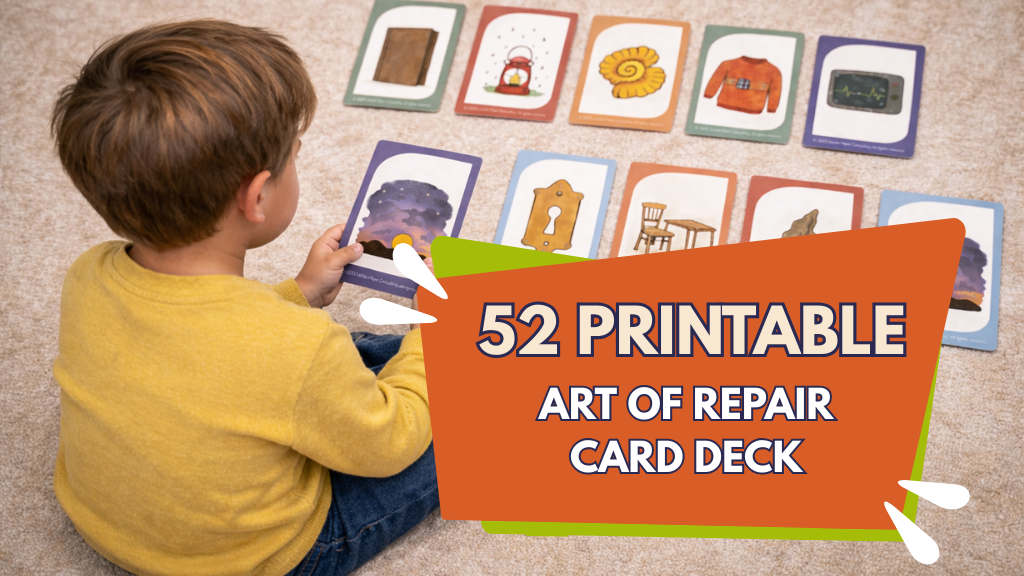
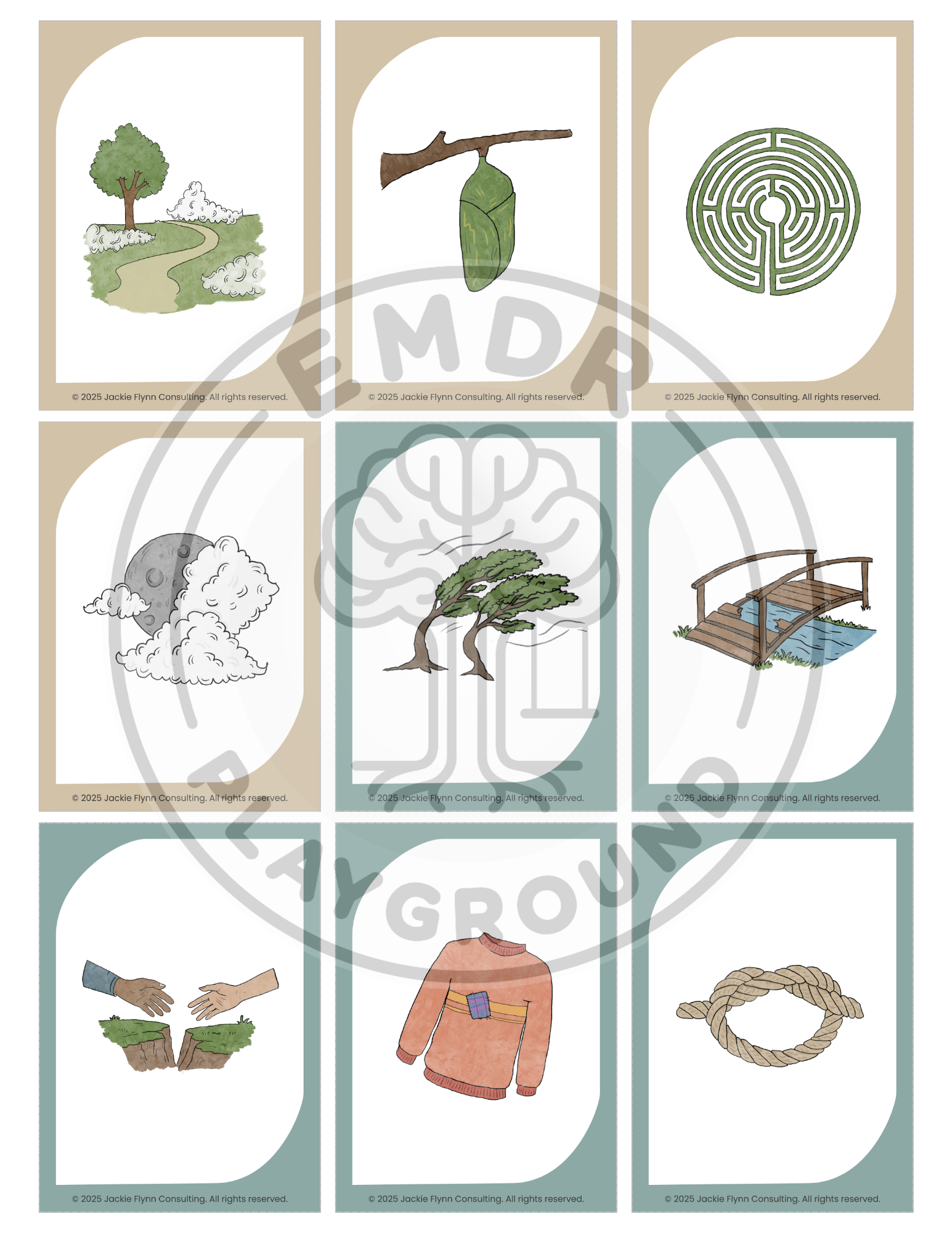
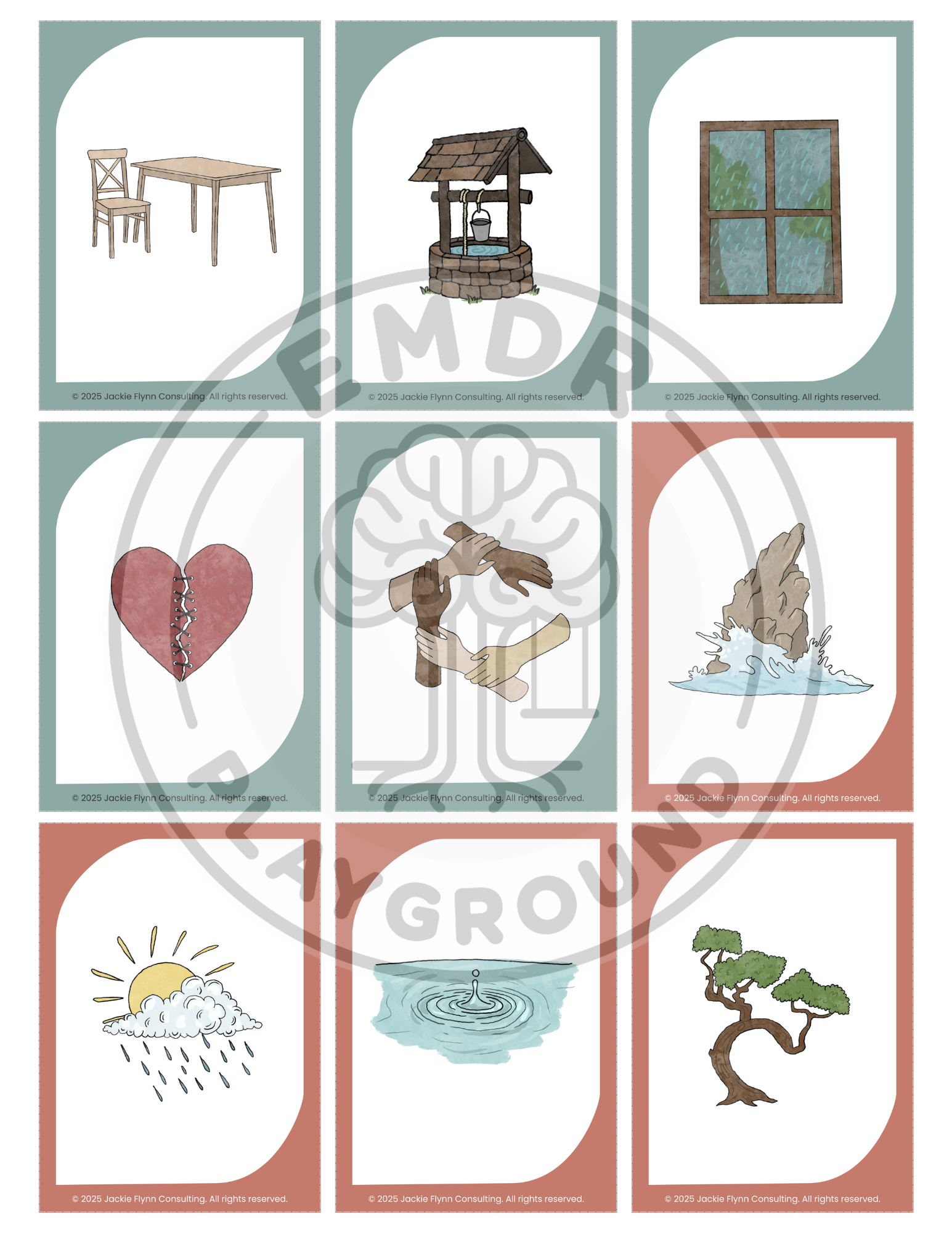
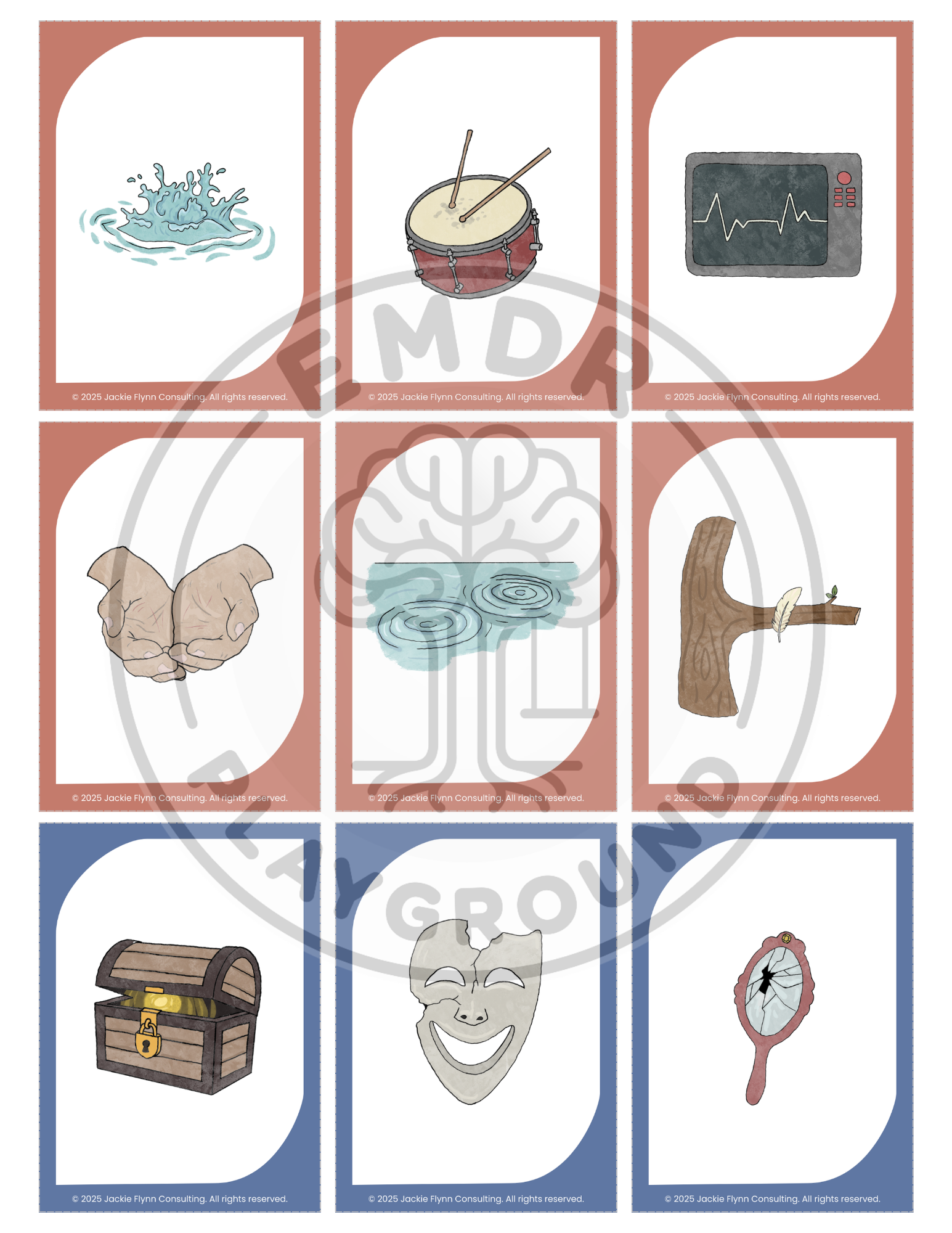
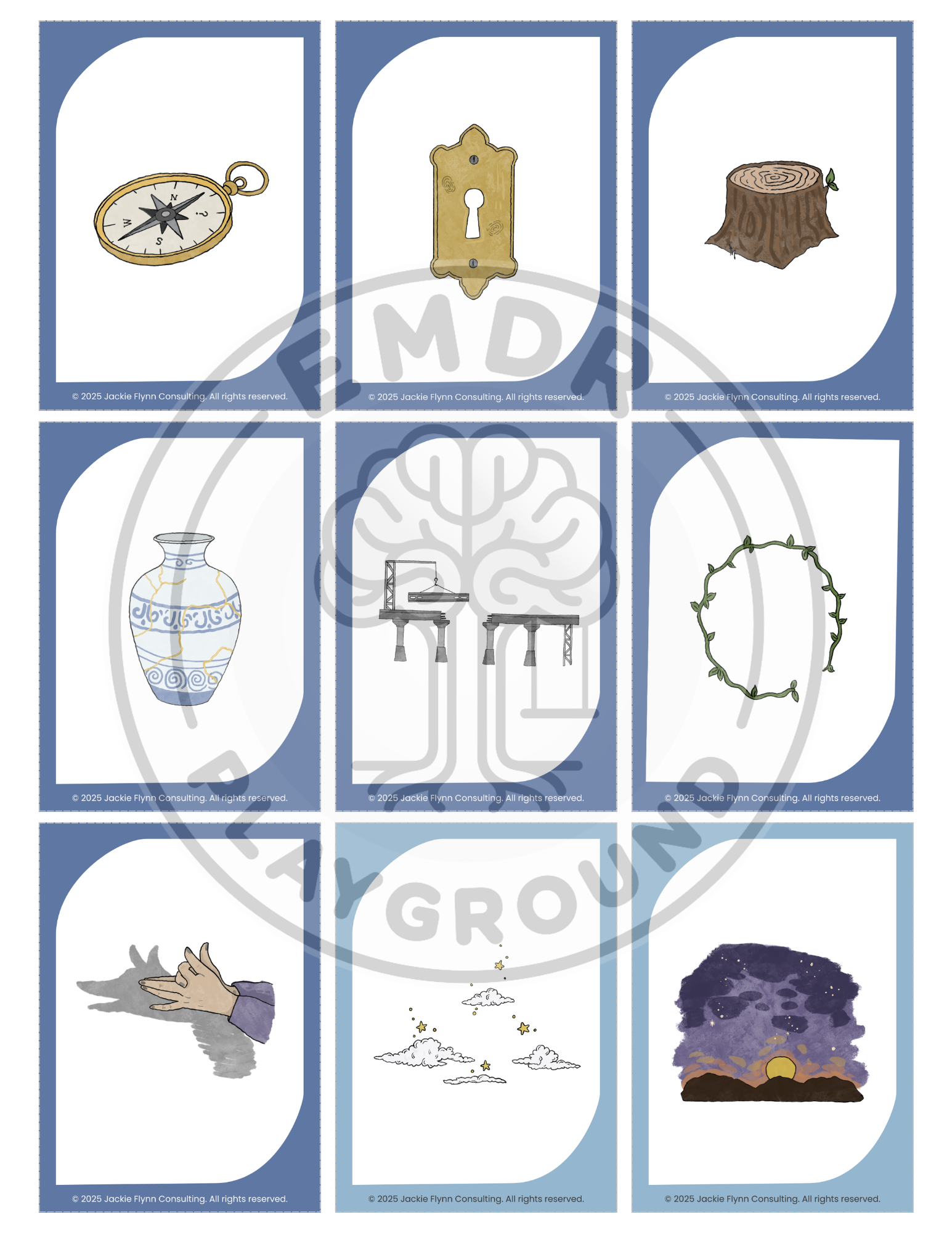
The Traces of Care Card Deck is a nervous system informed reflection tool created for the therapy room. It supports moments when the work is about noticing care that was received, needed, missed, or may still be possible.
Through gentle watercolor scenes of everyday care, the deck invites clients to slow down and notice what feels familiar, what brings comfort or longing, and what happens inside when care is seen, remembered, or imagined.
When Care Is Felt Before It Can Be Explained
Care is often communicated through small actions rather than words.
A blanket placed around someone.
A person staying close.
Food offered without questions.
Someone matching another person’s pace.
A hand reaching out when things feel difficult.
The Traces of Care Card Deck supports clients to:
explore what safety and support feel like in the body
notice experiences of protection, steadiness, warmth, and connection
recognize care that was received, needed, or missed
gently explore longing, grief, relief, or resistance
identify resources and supportive experiences
reflect on what care might look like now
support attachment, resilience, and connection
Sometimes care is something we remember. Sometimes it is something we wish had been there. And sometimes it is something we are learning to recognize and receive now.
WHAT’S INSIDE:
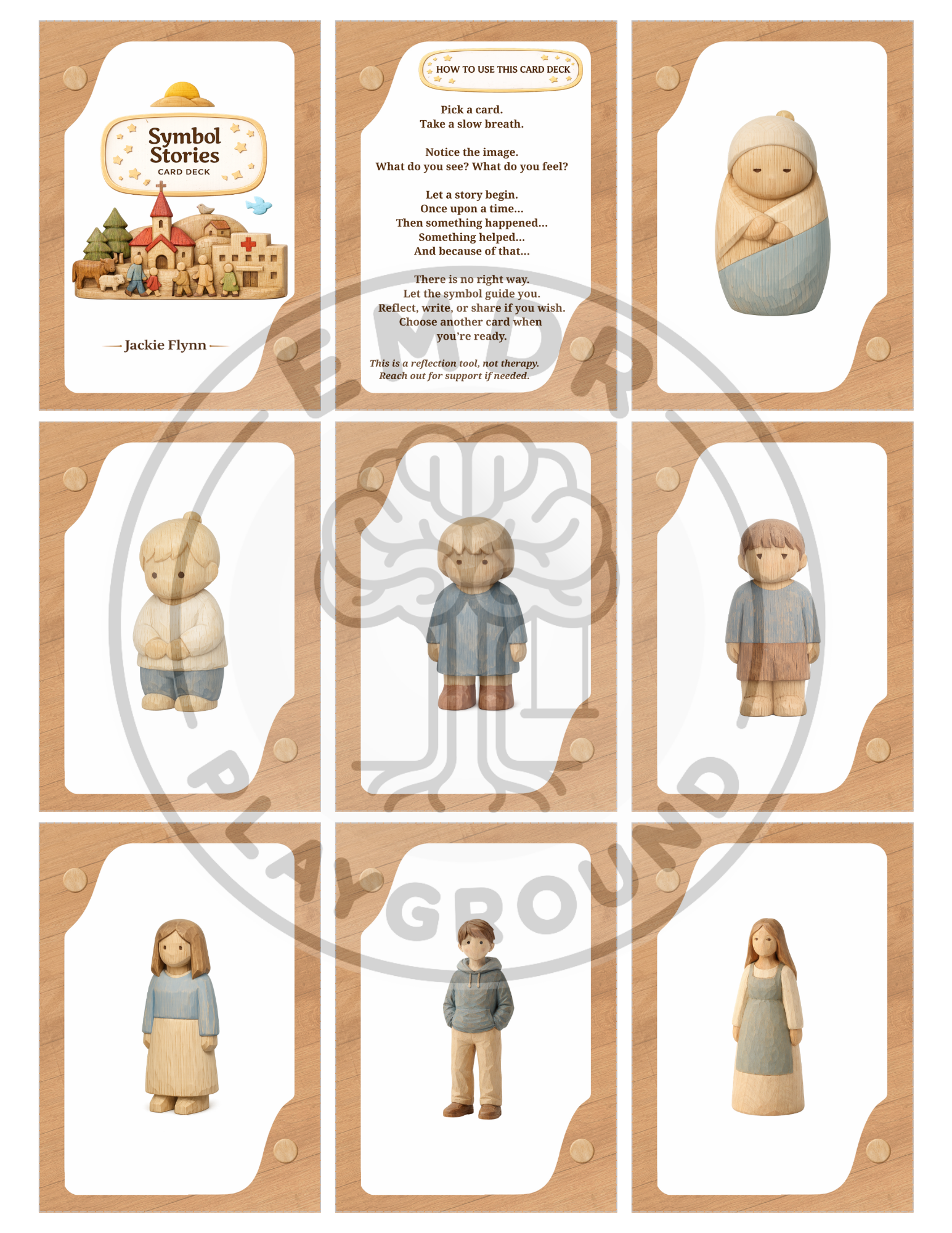
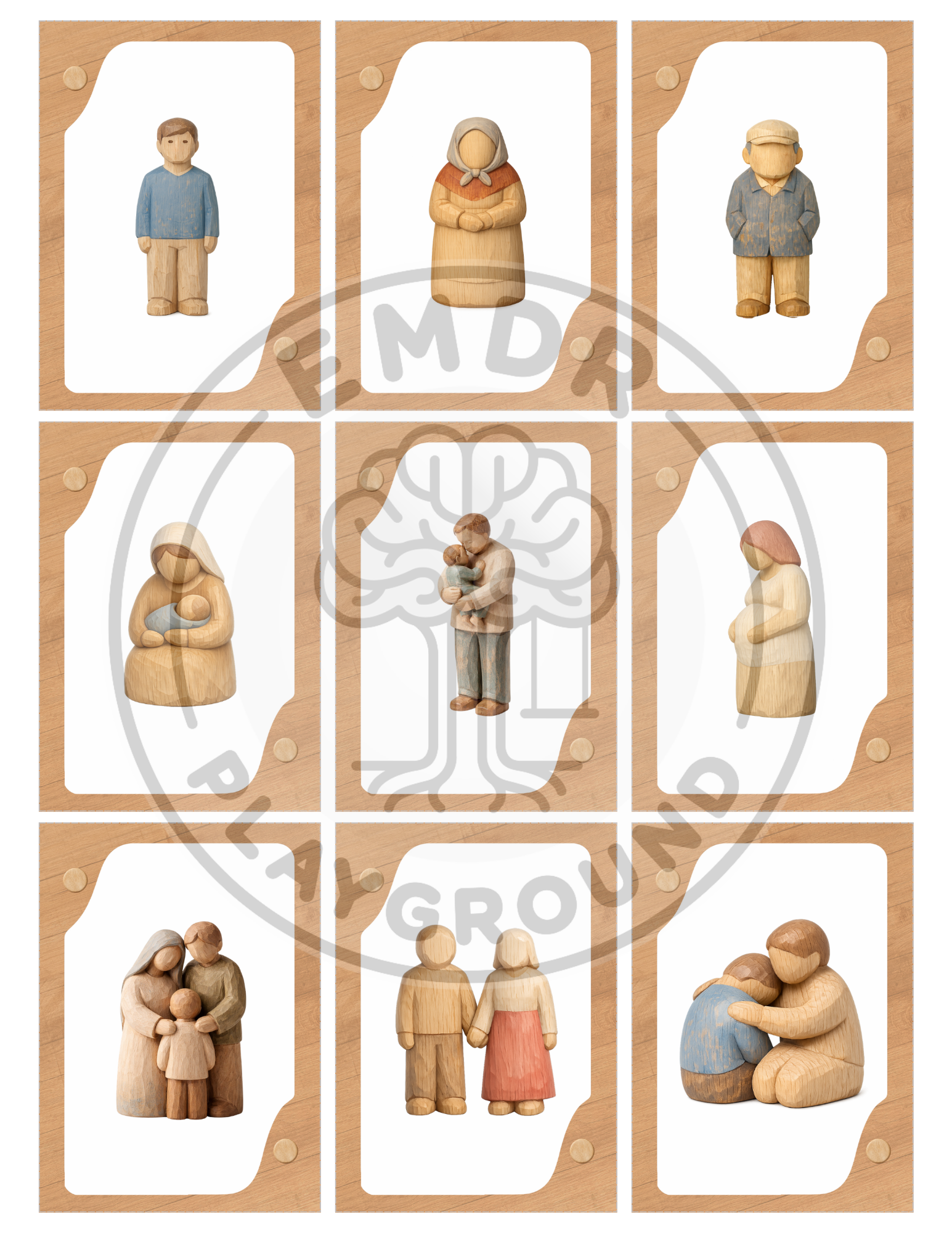
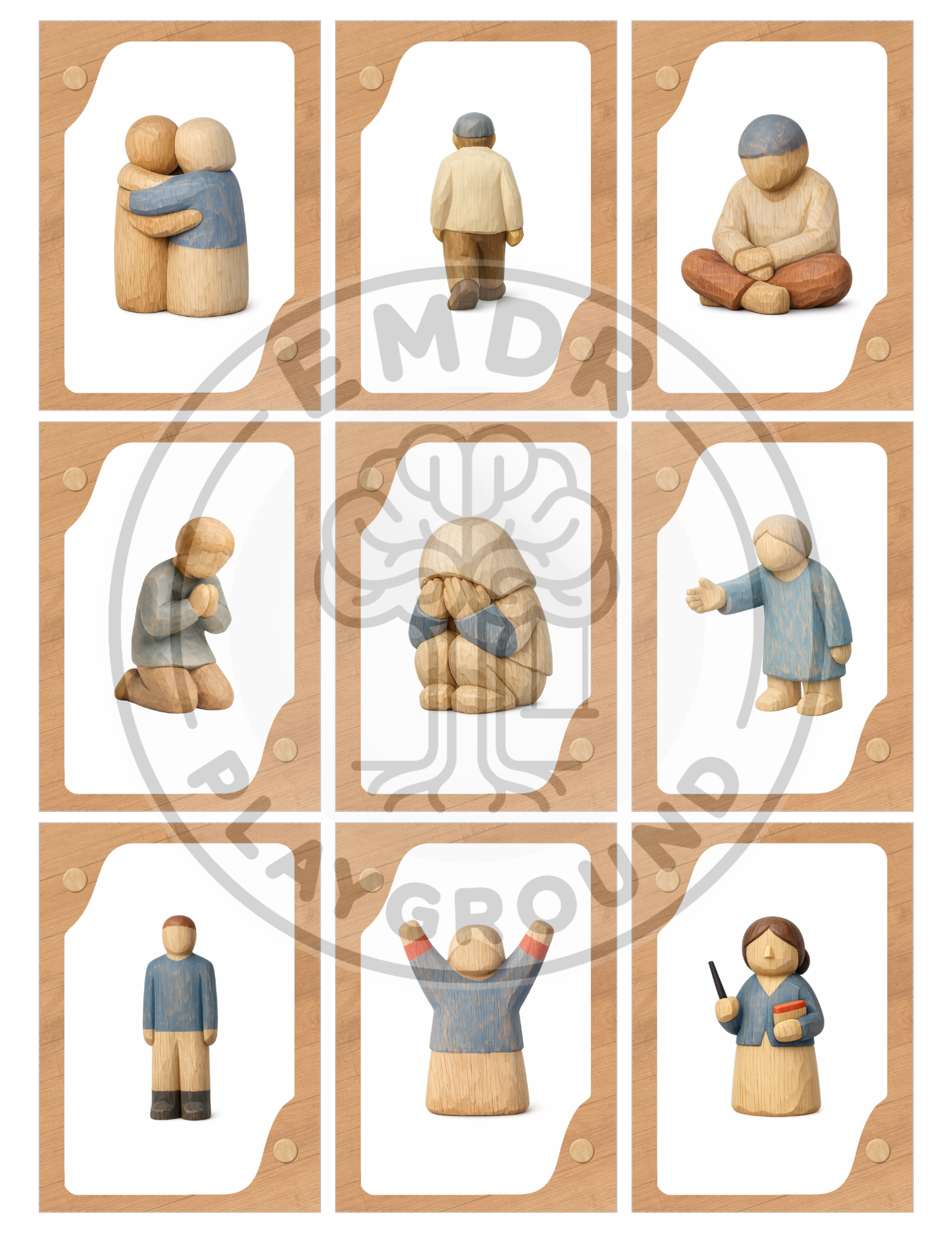
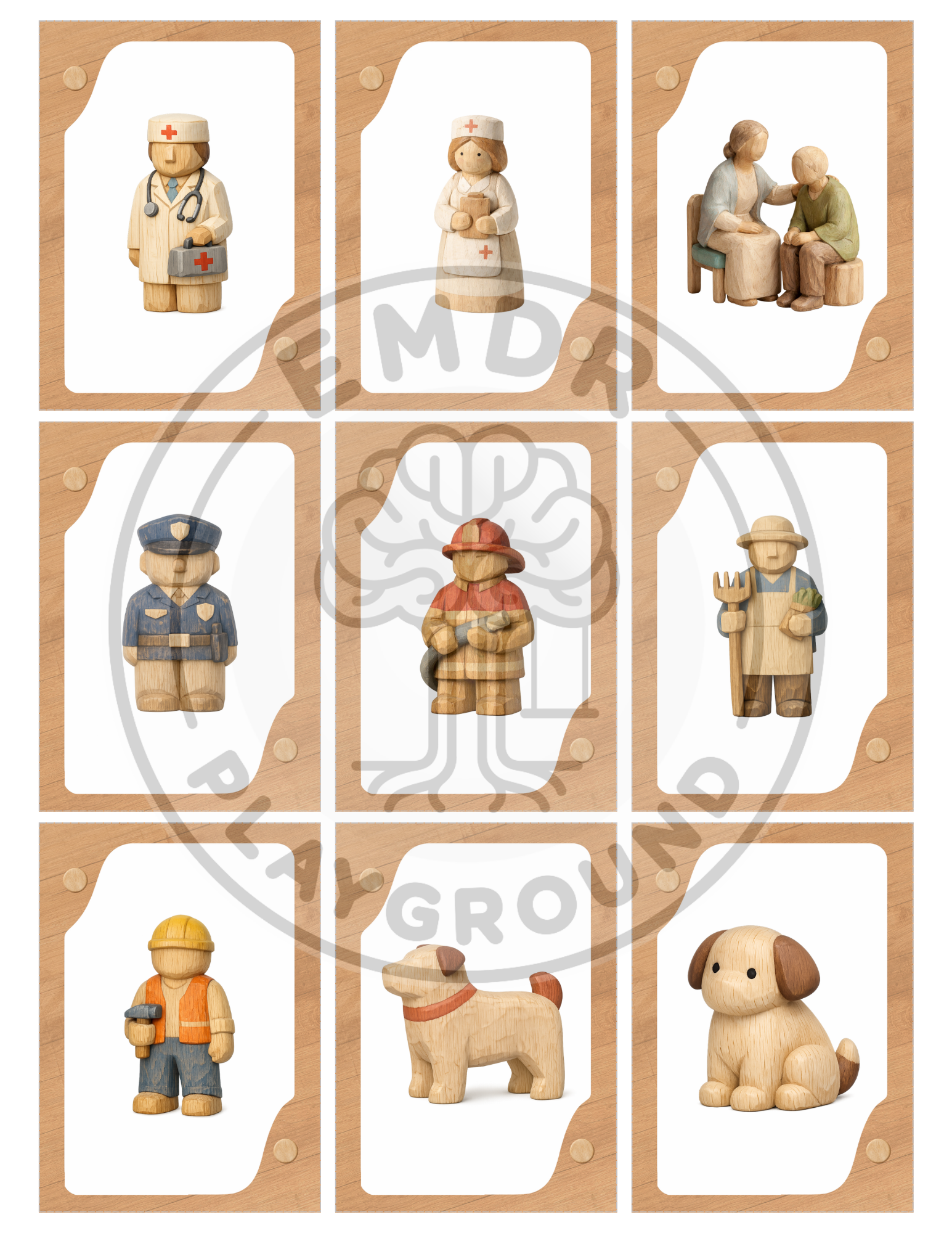
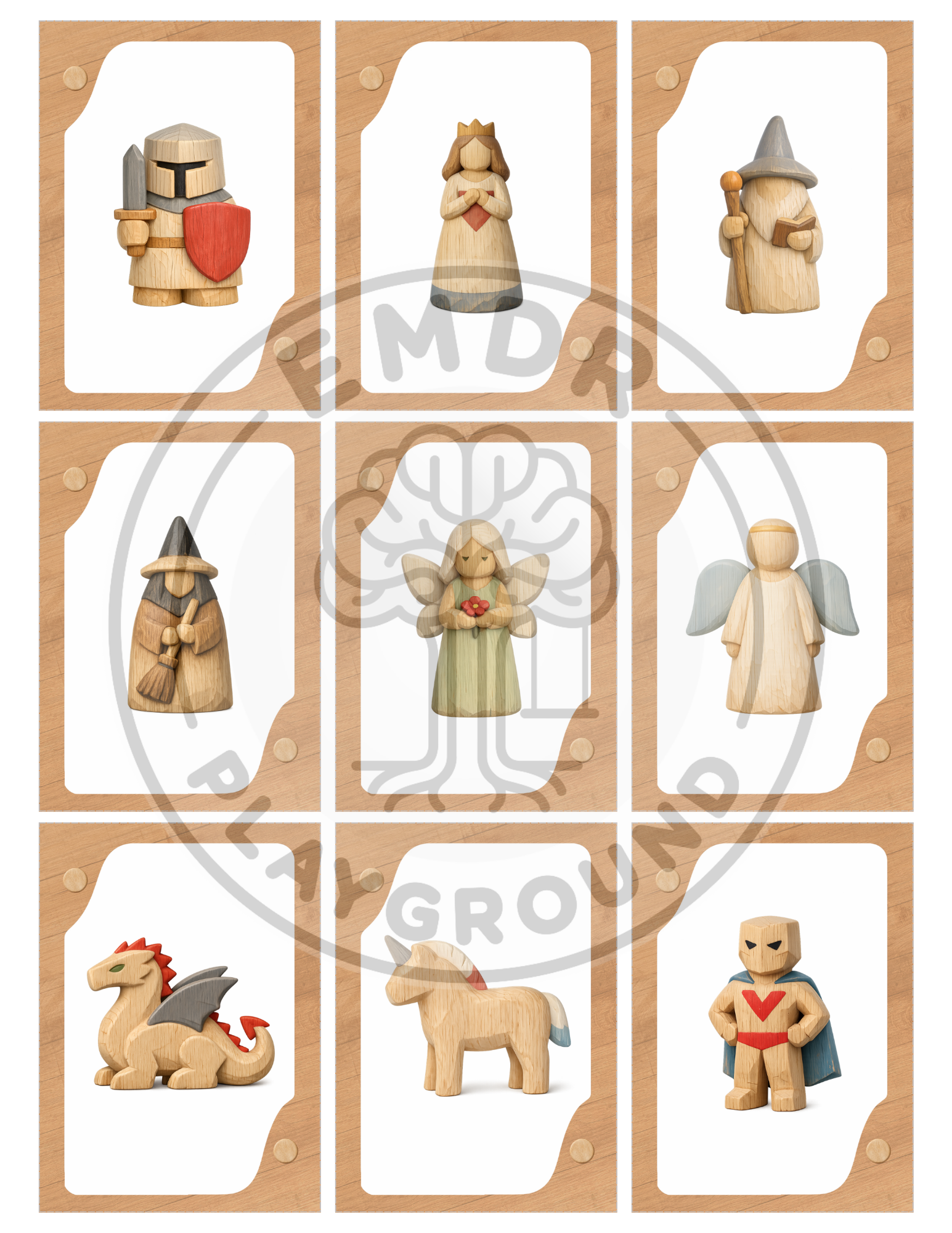
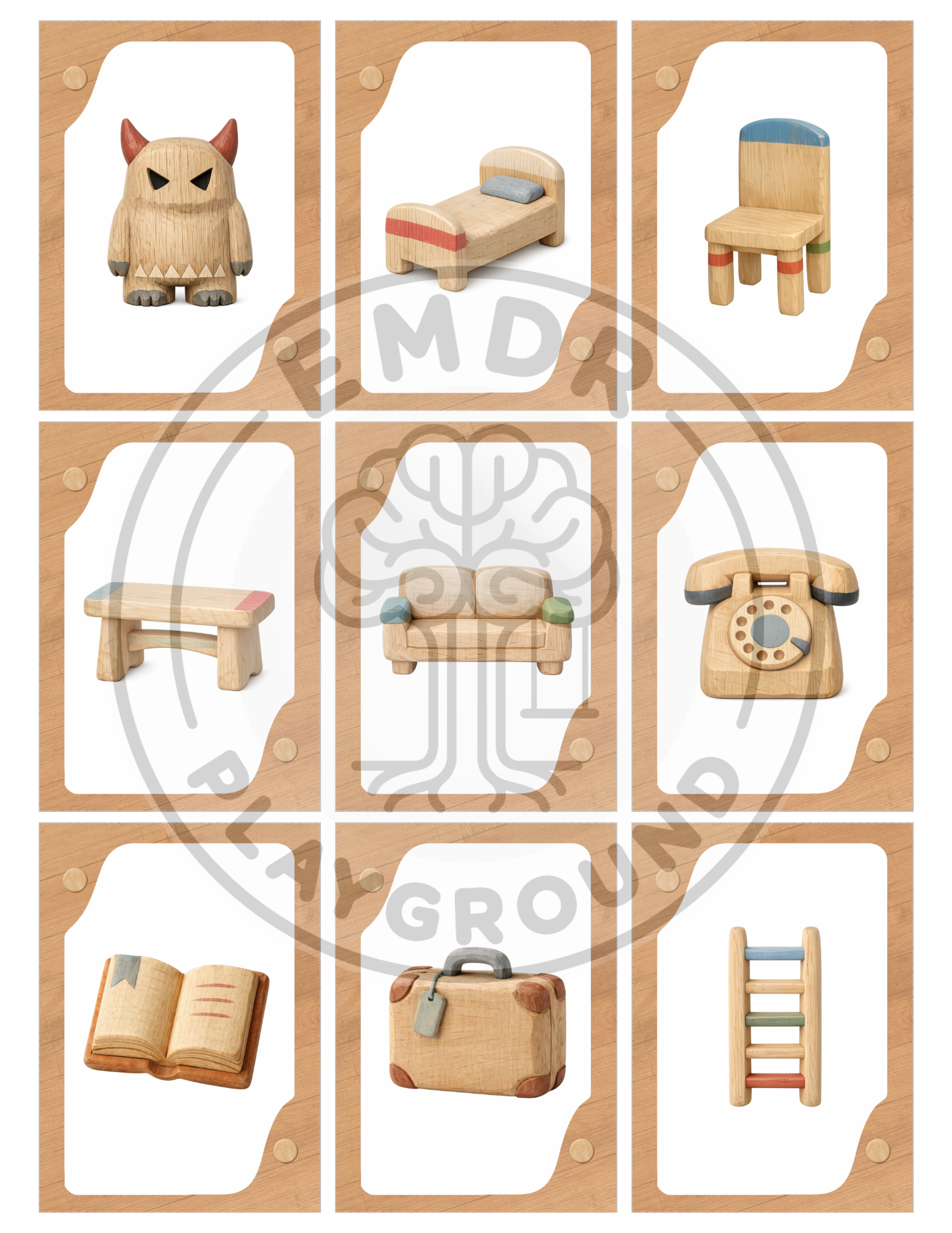
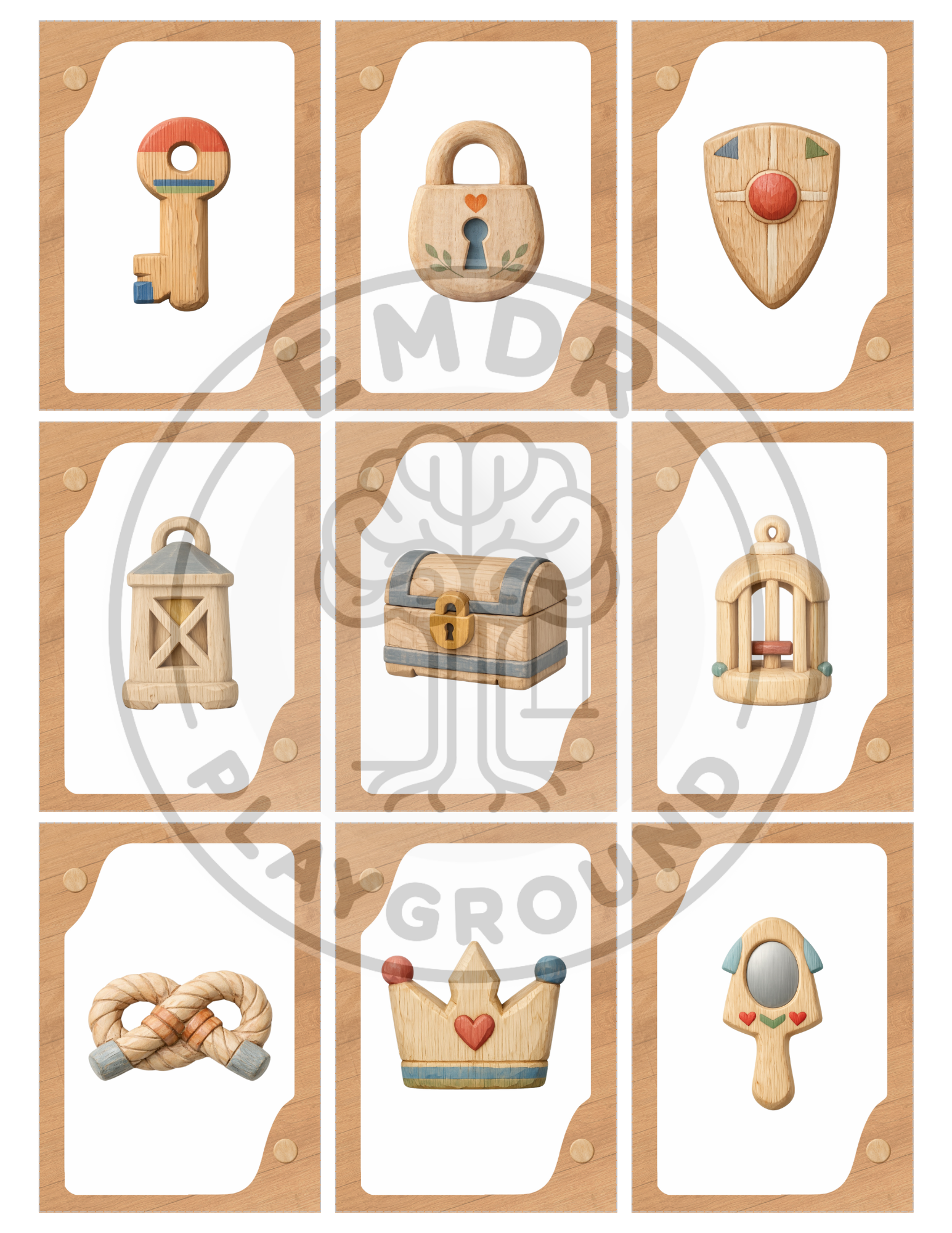
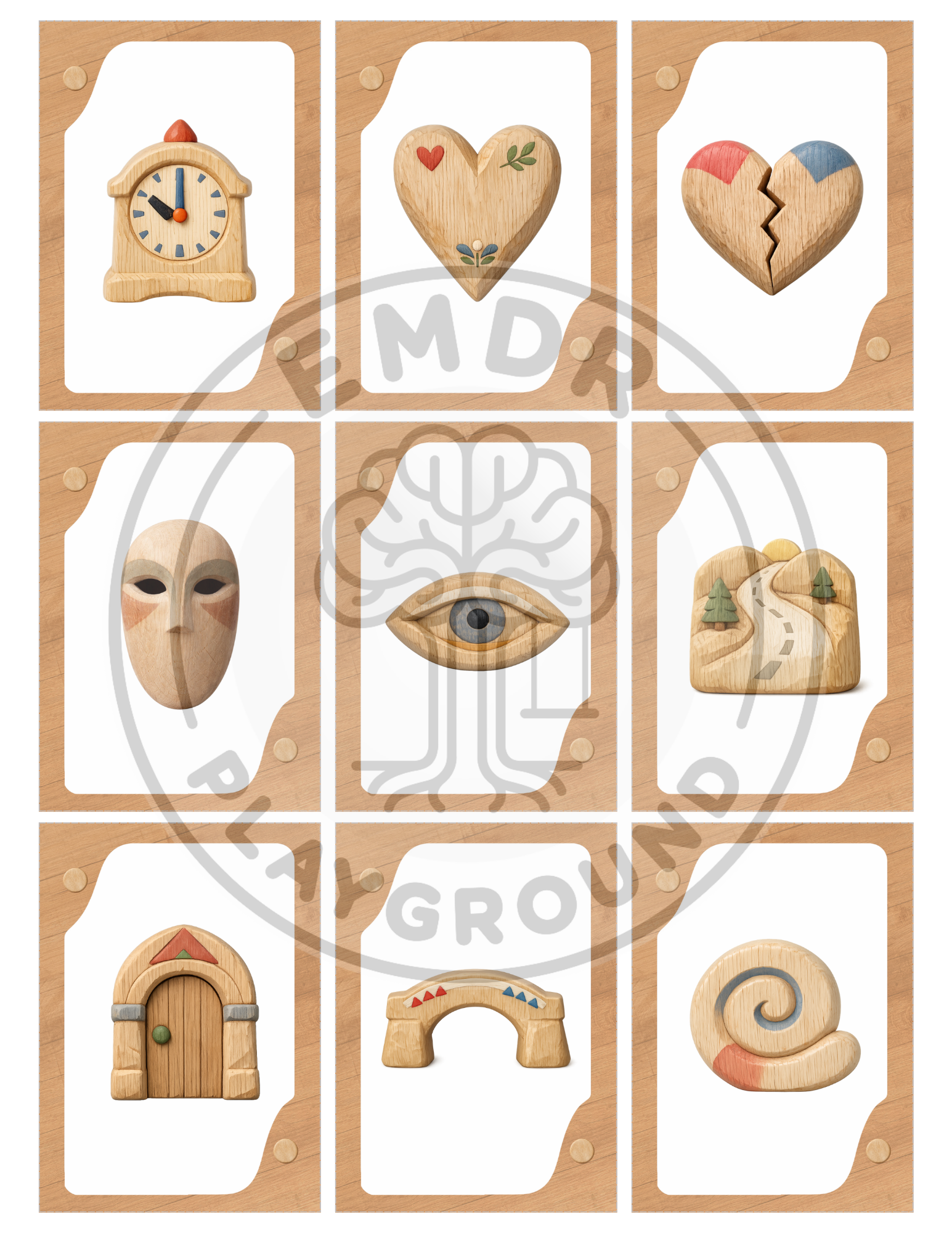
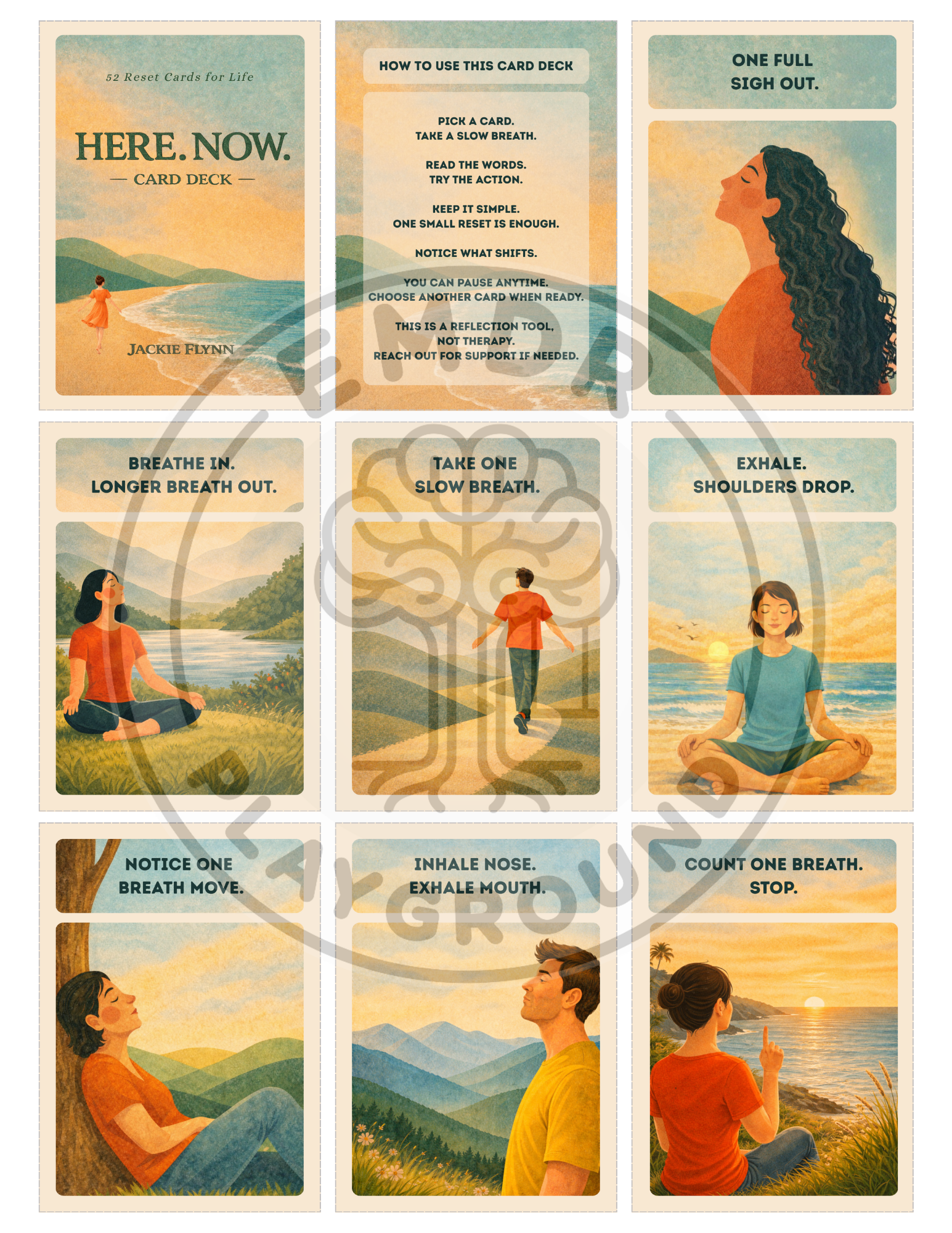
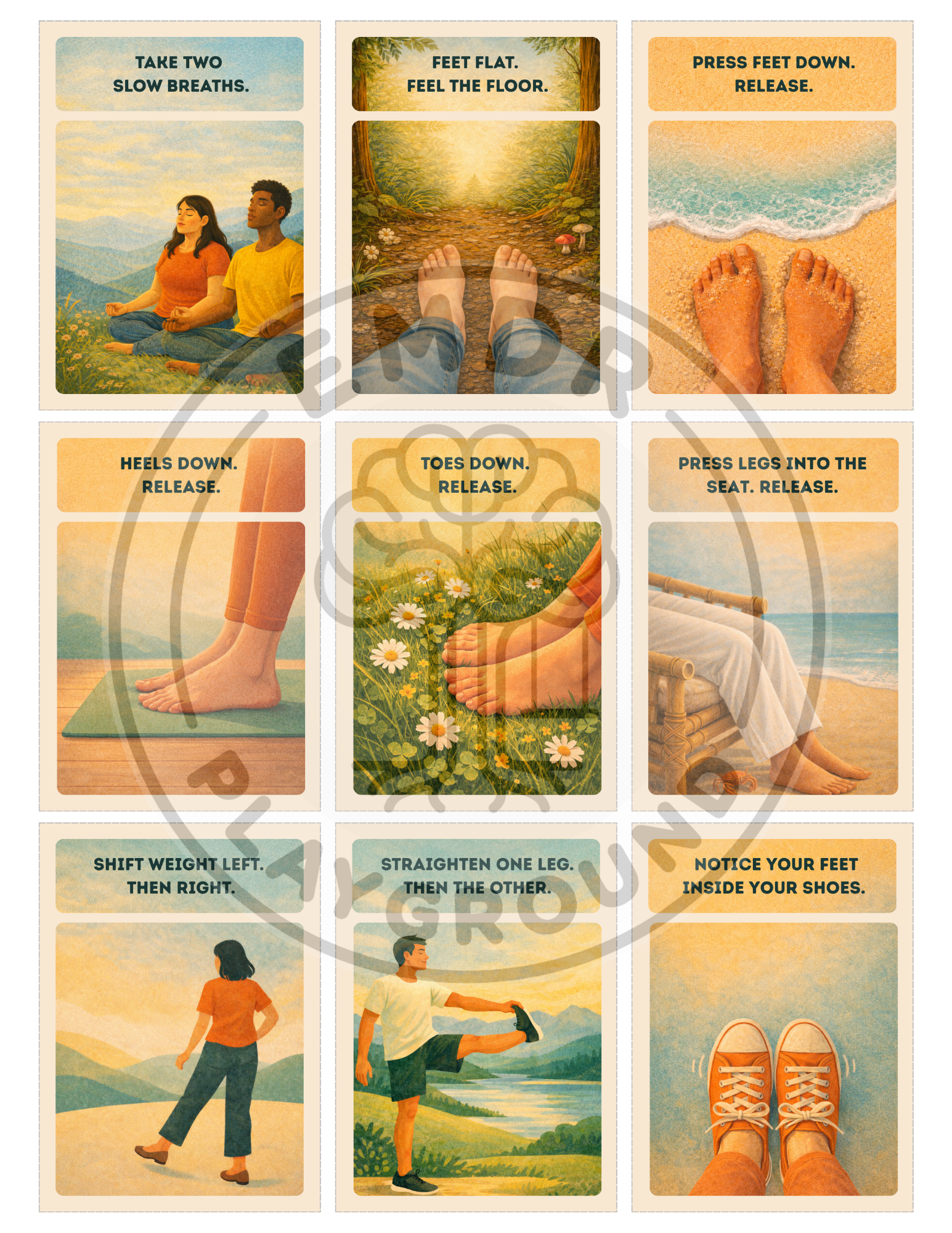
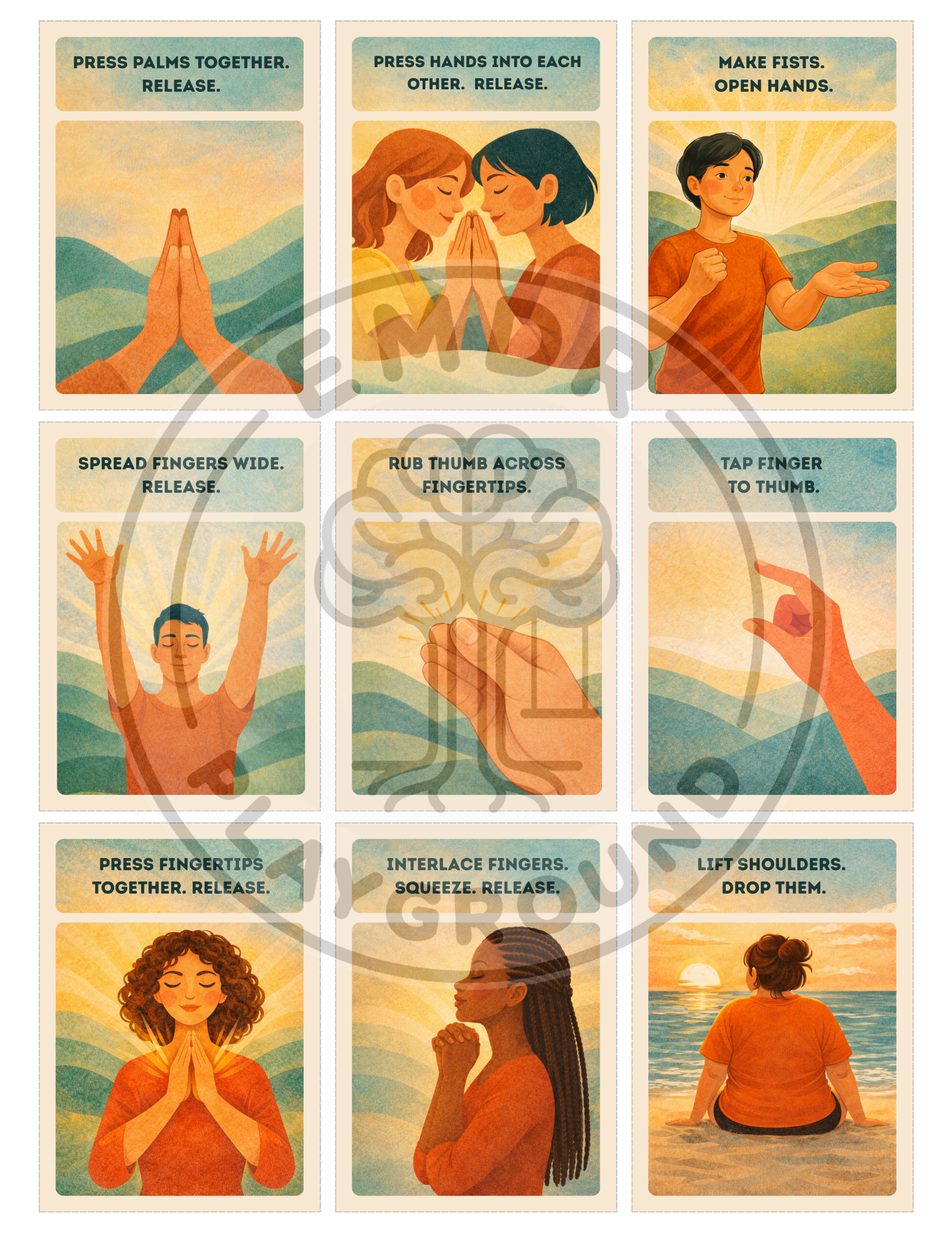
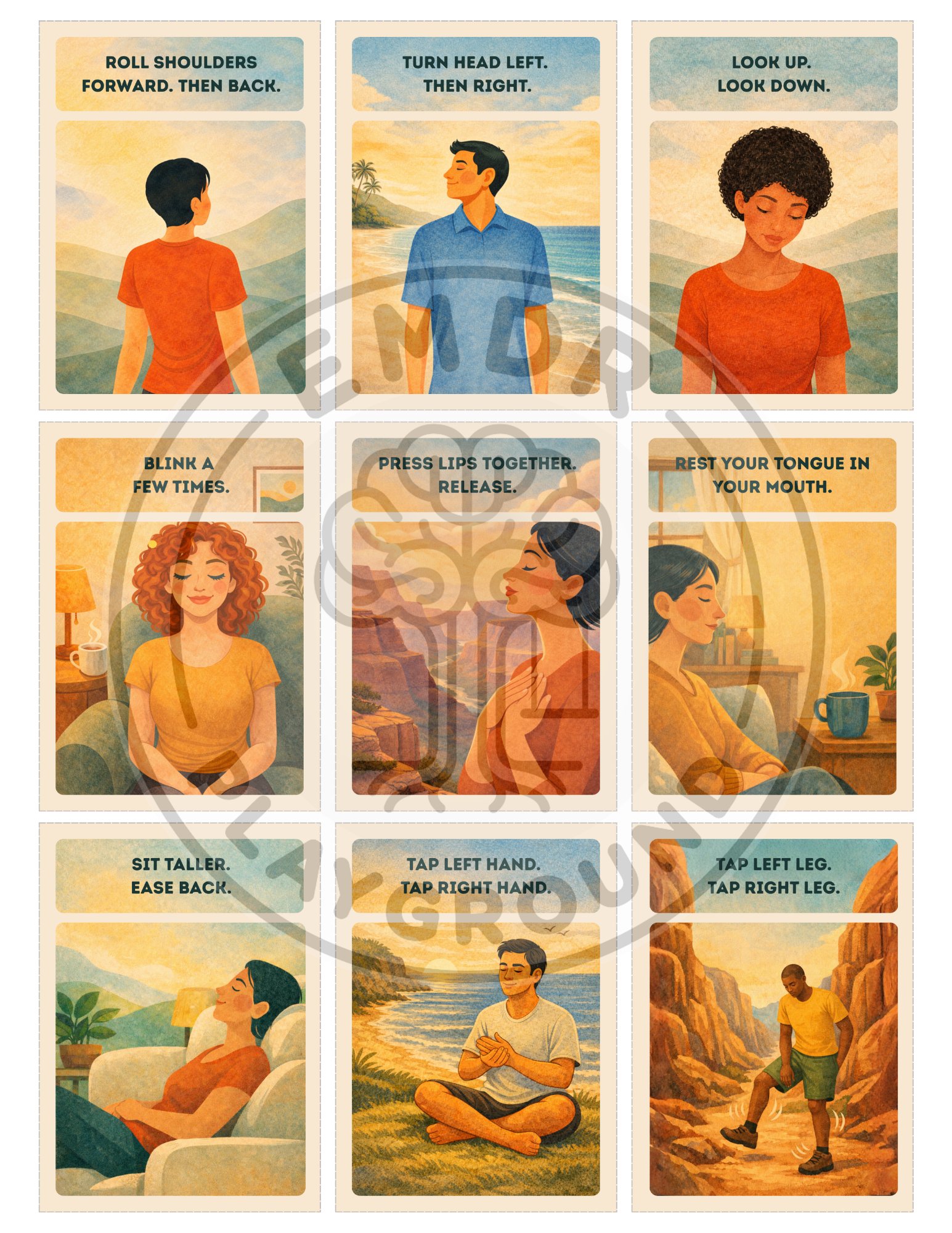
The deck features gentle watercolor scenes showing ordinary moments of care and connection.
Images include experiences such as:
sitting beside someone during a difficult moment
offering warmth, food, or a drink
staying close without needing to fix anything
helping with a task or something that feels difficult
offering physical comfort or reassurance
walking alongside someone
sharing everyday activities
tending to an injury
helping carry something heavy
welcoming someone home
offering support through play, creativity, and quiet presence
The images are intentionally open-ended.
One card may feel comforting. Another may bring grief, longing, resistance, relief, or nothing at all.
Whatever the client notices is welcome.
HOW TO USE IT
Take a moment to look at the image.
You might gently ask:
Does anything in this scene feel familiar?
Is there something here you wish for?
What happens inside as you spend a moment with the image?
What kind of care do you notice?
Is there something about this image that feels comforting or difficult?
What might support look like for you now?
There is no right or wrong response.
The deck may be integrated into:
EMDR
Play therapy
Talk therapy
Family work
Attachment-focused work
Trauma-informed clinical approaches
Resource and stabilization work
Exploration of unmet needs
Resilience and connection work
Go slowly. Stay curious. There is no need to make the image mean anything more than what shows up.
This is a reflection tool, not therapy. Reach out for support if needed.
If you are looking for a gentle visual tool that helps clients explore the care they received, needed, missed, or may still be learning to receive…
the Traces of Care Card Deck was made for you.
TRACES OF CARE
CARD DECK
Created by: Jackie Flynn
The Traces of Care Card Deck is a nervous system informed reflection tool created for the therapy room. It supports moments when the work is about noticing care that was received, needed, missed, or may still be possible.
Through gentle watercolor scenes of everyday care, the deck invites clients to slow down and notice what feels familiar, what brings comfort or longing, and what happens inside when care is seen, remembered, or imagined.
When Care Is Felt Before It Can Be Explained
Care is often communicated through small actions rather than words.
A blanket placed around someone.
A person staying close.
Food offered without questions.
Someone matching another person’s pace.
A hand reaching out when things feel difficult.
The Traces of Care Card Deck supports clients to:
explore what safety and support feel like in the body
notice experiences of protection, steadiness, warmth, and connection
recognize care that was received, needed, or missed
gently explore longing, grief, relief, or resistance
identify resources and supportive experiences
reflect on what care might look like now
support attachment, resilience, and connection
Sometimes care is something we remember. Sometimes it is something we wish had been there. And sometimes it is something we are learning to recognize and receive now.
WHAT’S INSIDE:
The deck features gentle watercolor scenes showing ordinary moments of care and connection.
Images include experiences such as:
sitting beside someone during a difficult moment
offering warmth, food, or a drink
staying close without needing to fix anything
helping with a task or something that feels difficult
offering physical comfort or reassurance
walking alongside someone
sharing everyday activities
tending to an injury
helping carry something heavy
welcoming someone home
offering support through play, creativity, and quiet presence
The images are intentionally open-ended.
One card may feel comforting. Another may bring grief, longing, resistance, relief, or nothing at all.
Whatever the client notices is welcome.
HOW TO USE IT
Take a moment to look at the image.
You might gently ask:
Does anything in this scene feel familiar?
Is there something here you wish for?
What happens inside as you spend a moment with the image?
What kind of care do you notice?
Is there something about this image that feels comforting or difficult?
What might support look like for you now?
There is no right or wrong response.
The deck may be integrated into:
EMDR
Play therapy
Talk therapy
Family work
Attachment-focused work
Trauma-informed clinical approaches
Resource and stabilization work
Exploration of unmet needs
Resilience and connection work
Go slowly. Stay curious. There is no need to make the image mean anything more than what shows up.
This is a reflection tool, not therapy. Reach out for support if needed.
If you are looking for a gentle visual tool that helps clients explore the care they received, needed, missed, or may still be learning to receive…
the Traces of Care Card Deck was made for you.
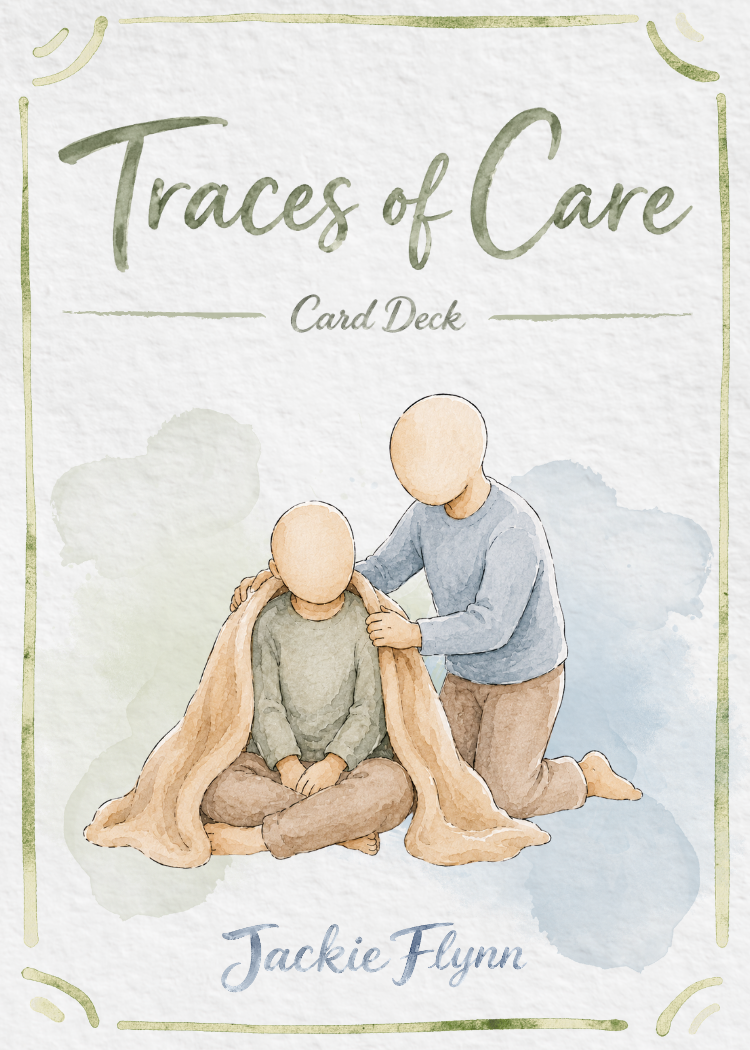 Image 1 of 9
 Image 2 of 9
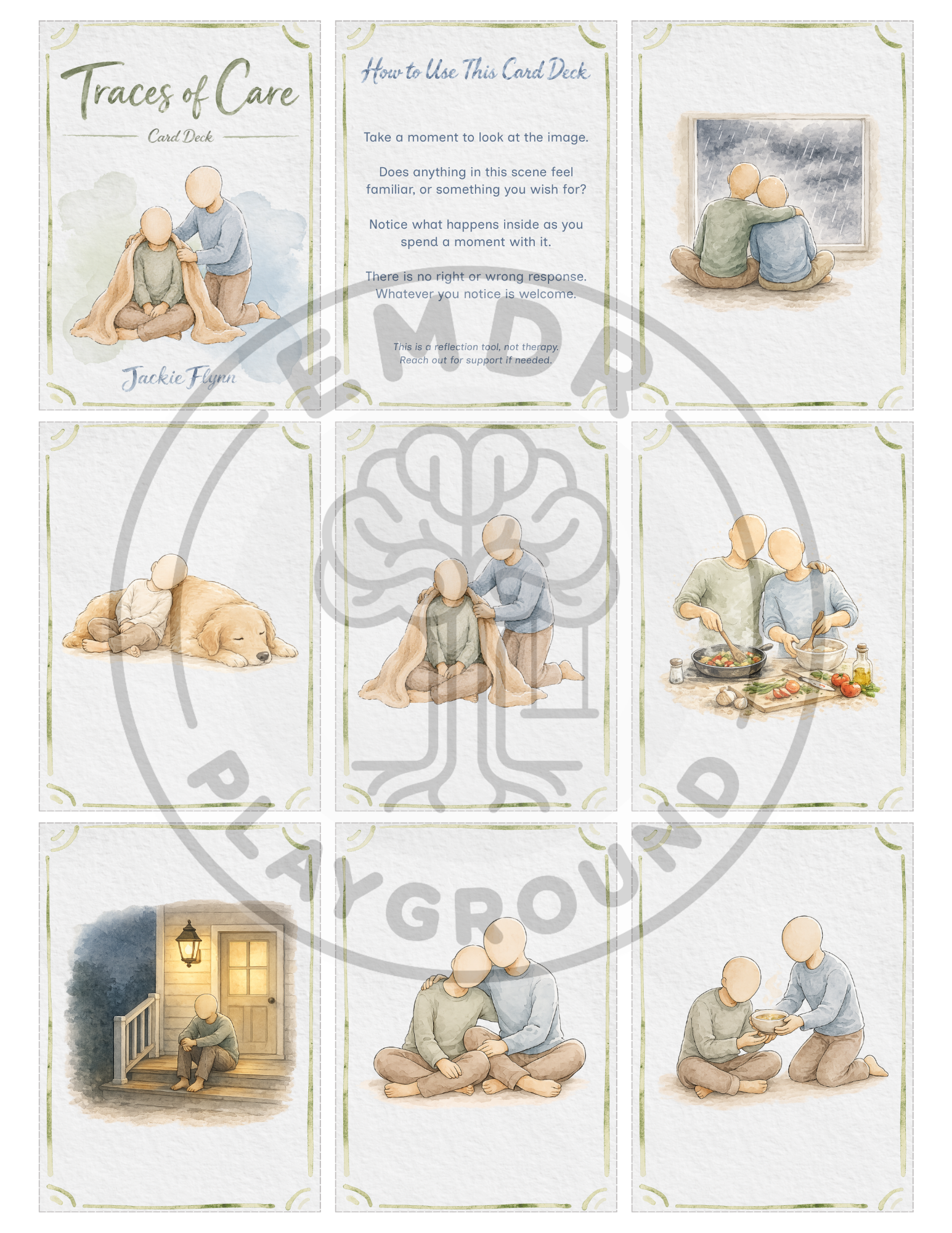 Image 3 of 9
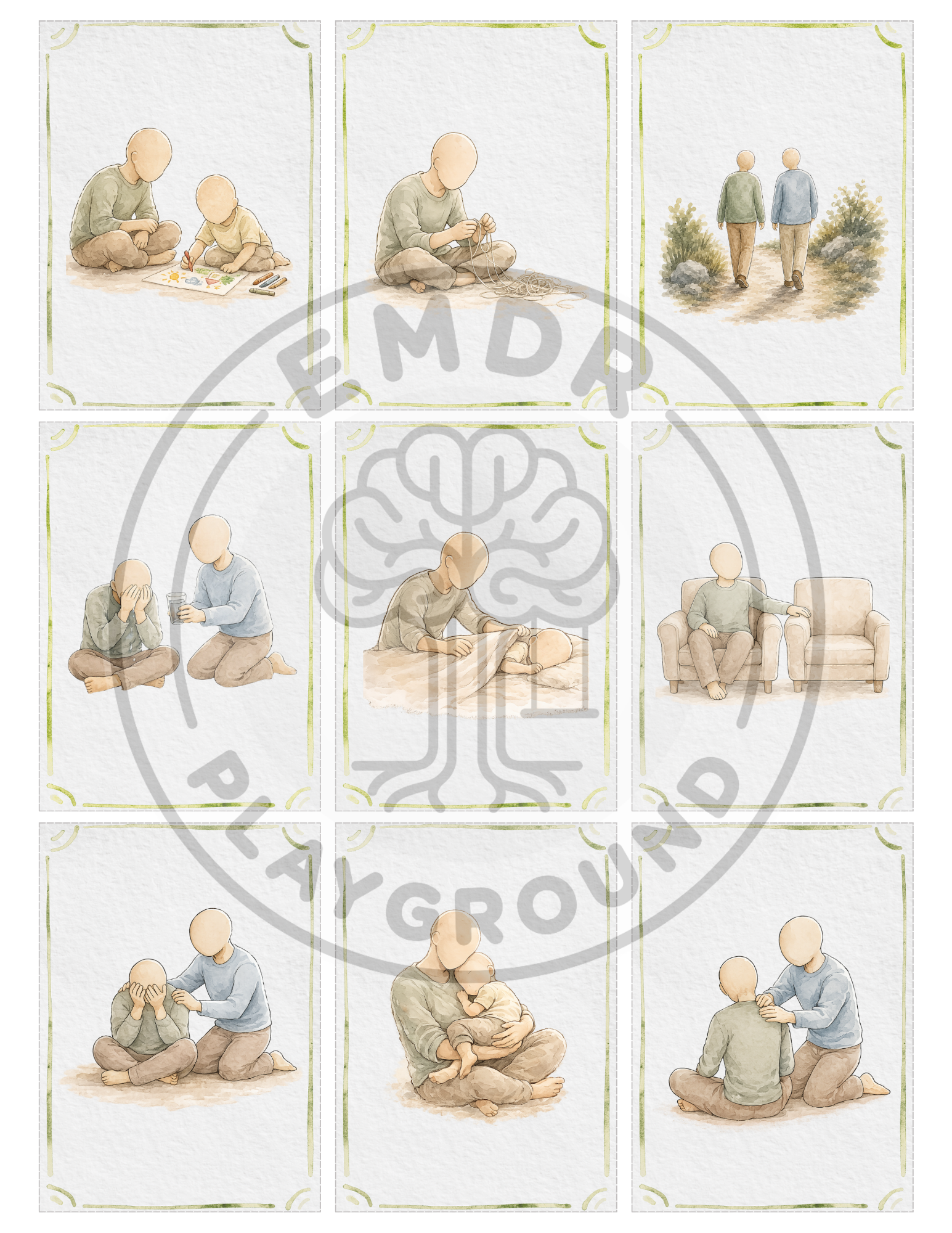 Image 4 of 9
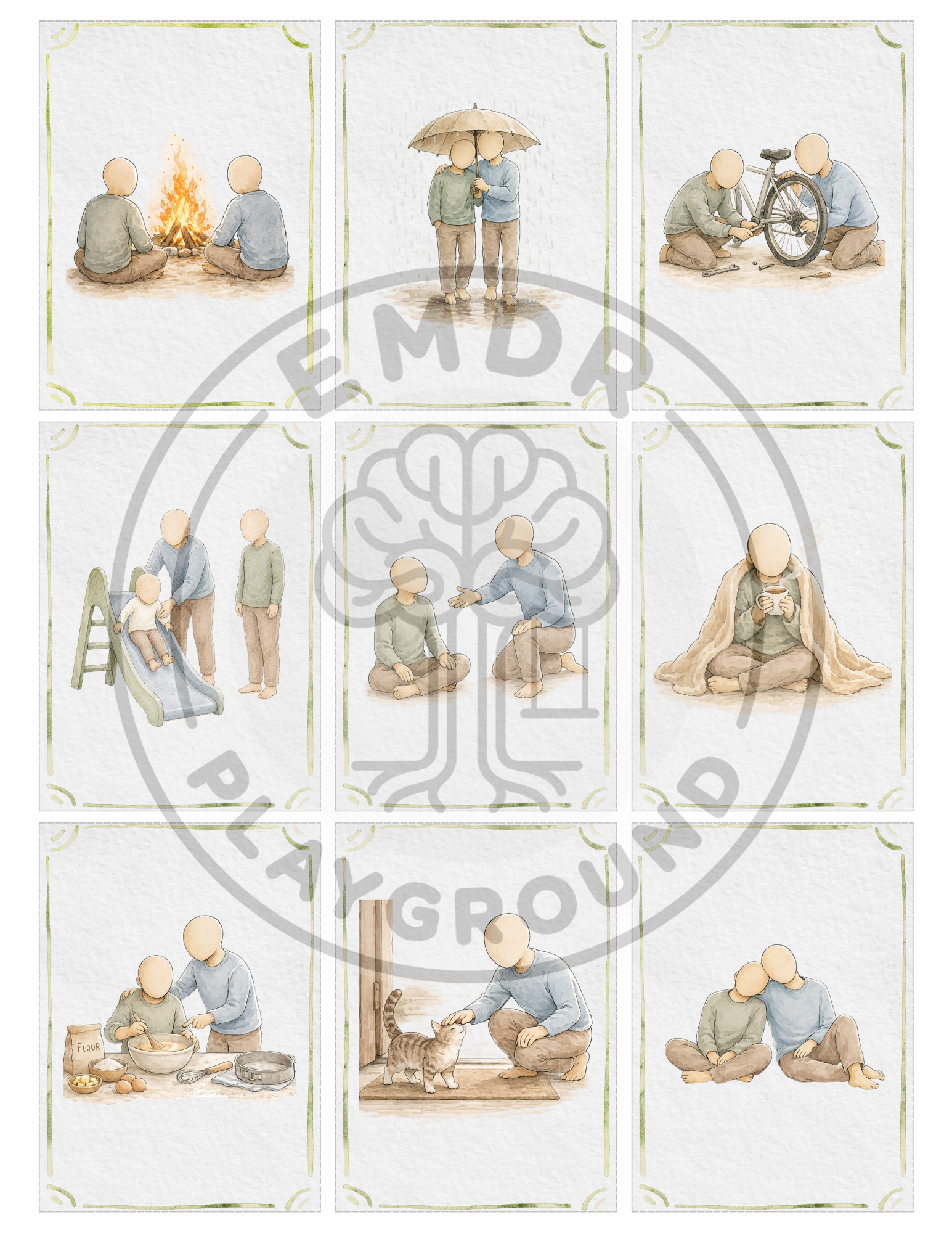 Image 5 of 9
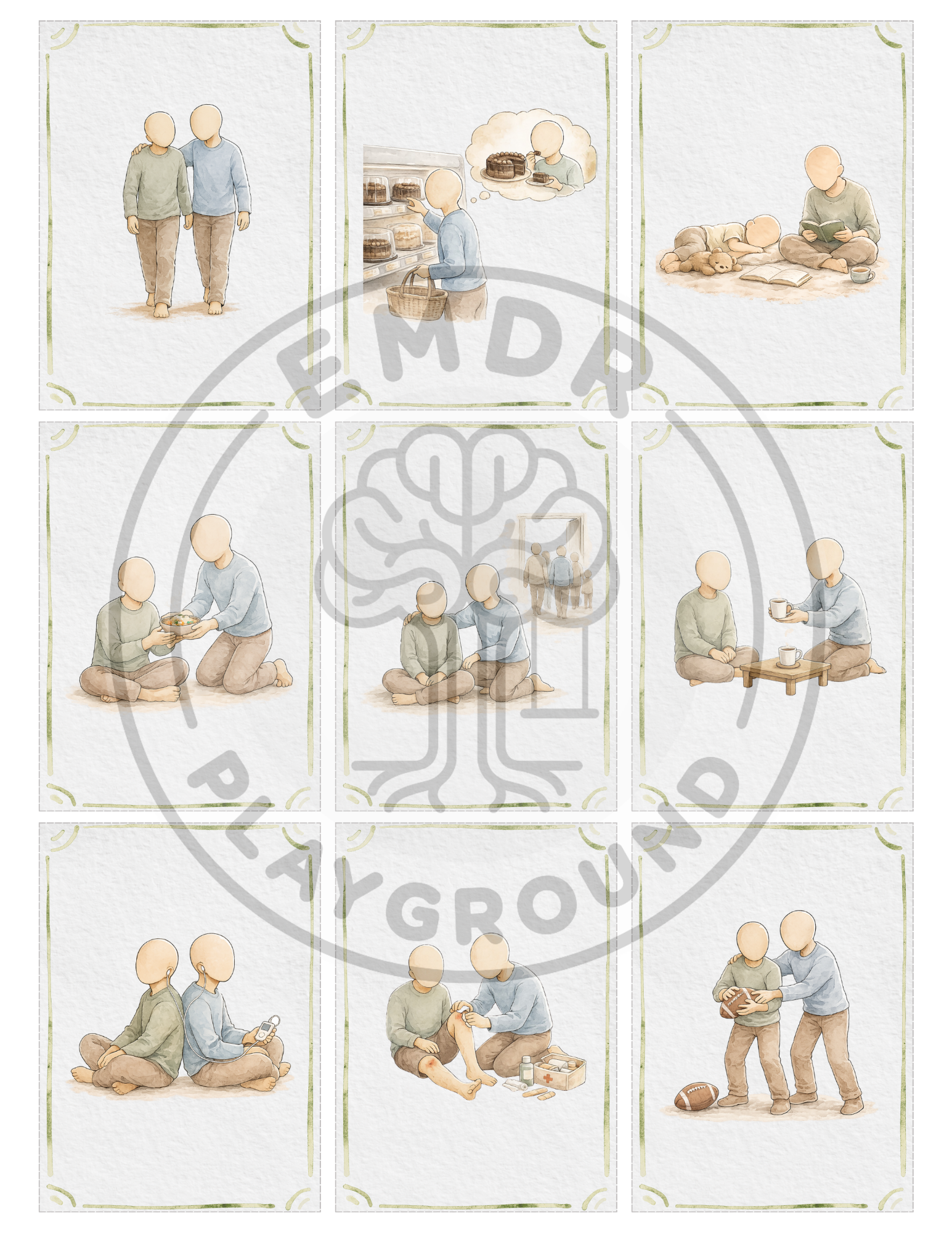 Image 6 of 9
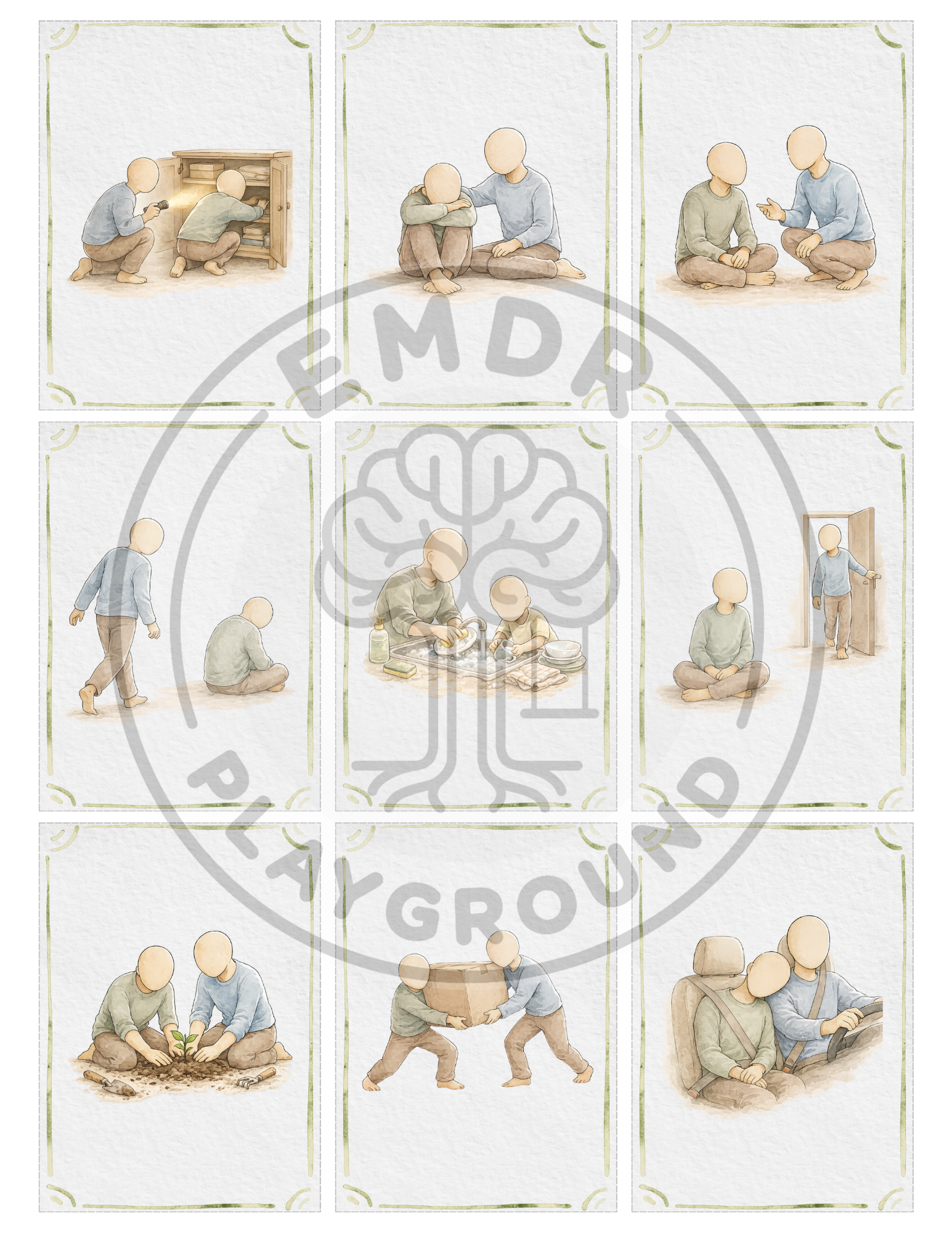 Image 7 of 9
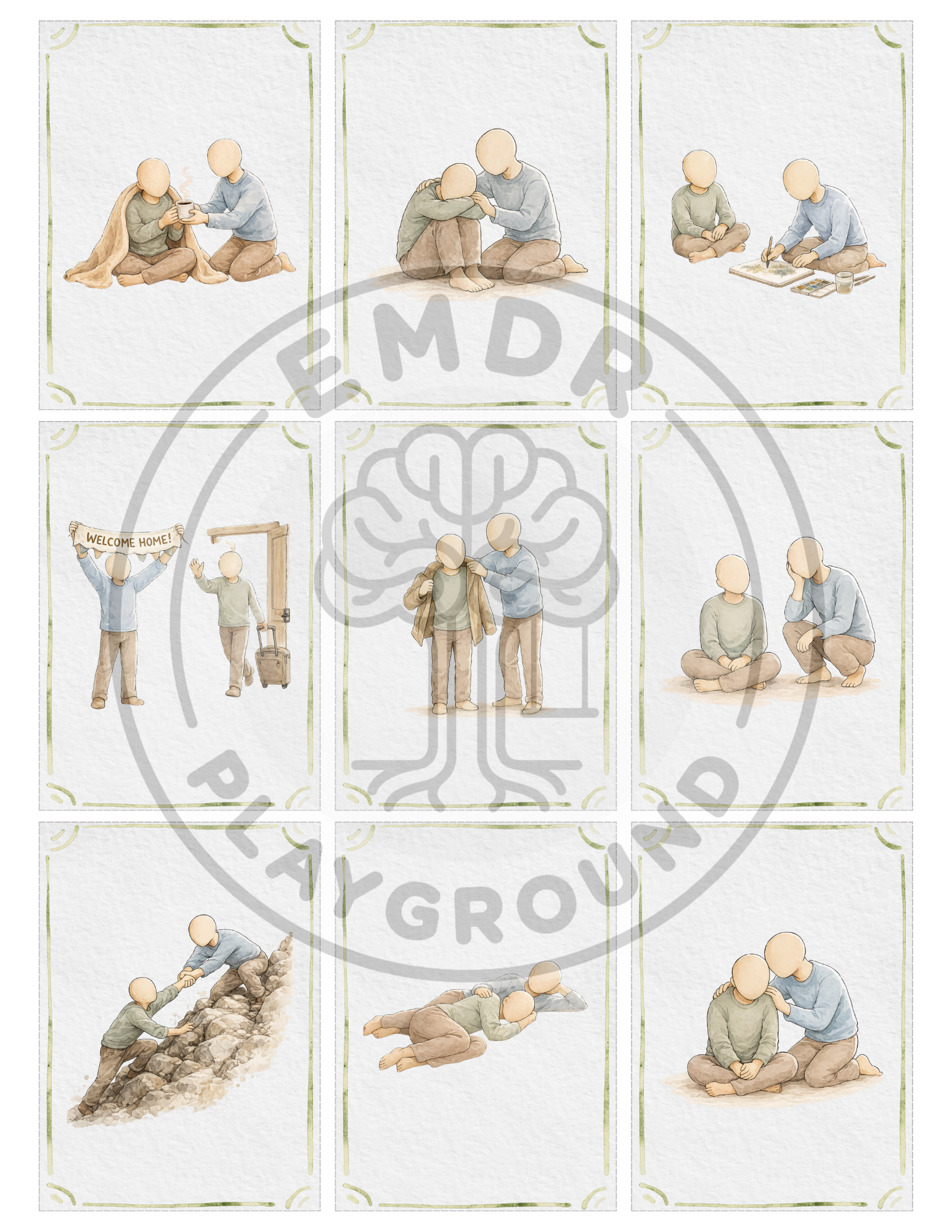 Image 8 of 9
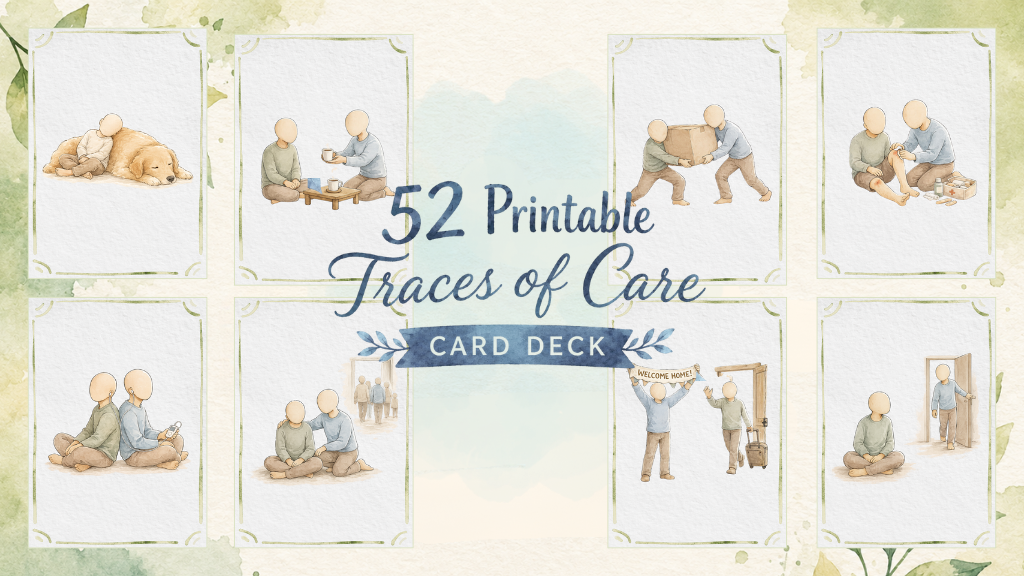 Image 9 of 9