COGNITION CARDS FOR TEENS
CARD DECK
Created by: Jackie Flynn
The Cognition Cards for Teens deck is a clinician-supported therapeutic tool created to help teens notice and explore thoughts and beliefs that can be difficult to identify or express.
The cards pair familiar negative cognitions with more adaptive possibilities to consider. The goal is not to force positive thinking, but to help teens notice what fits, what does not, and what words may feel more believable right now.
When Thoughts Are Hard to Put Into Words
Sometimes a teen knows something feels wrong before they have language for the belief underneath it.
I’m not good enough.
It was my fault.
I’m not safe.
I have no choice.
The Cognition Cards for Teens bring these thoughts into the room gently while also offering possibilities such as:
I’m good enough.
It wasn’t my fault.
I’m safe now.
I have choices now.
This deck supports teens to:
identify thoughts and beliefs that feel familiar
explore negative and adaptive cognitions without pressure
notice beliefs around worth, responsibility, safety, trust, and choice
strengthen boundaries and self-advocacy
recognize when a belief may be changing
find language that feels accurate and believable
participate actively in their own therapeutic process
Sometimes naming what already feels true creates space to wonder what else might be possible.
WHAT’S INSIDE:
The deck explores themes including:
Worth & Belonging
Responsibility
Safety & Trust
Choice
Boundaries
Self-Advocacy
Coping
Examples include:
I’m not good enough. → I’m good enough.
I don’t matter. → I matter.
It was my fault. → It wasn’t my fault.
I’m not safe. → I’m safe now.
I can’t trust anyone. → I can choose who I trust.
I have no choice. → I have choices now.
I can’t say no. → I can say no.
I can’t ask for what I need. → I can ask for what I need.
I can’t handle it. → I can handle it.
The deck also asks:
“What words fit you better?”
Teens can disagree, change the wording, choose neither statement, or create their own. There is no requirement to make an adaptive statement feel true before they are ready.
HOW TO USE IT
Look through the cards slowly and notice which words feel familiar.
You might gently ask:
Does this thought fit right now?
When does this belief tend to show up?
What happens in your body when you notice it?
Does the other possibility feel believable?
What words might fit better?
Has this belief changed over time?
If the wording does not fit, change it.
If neither side feels right, choose neither.
If your own words feel better, use them.
The deck may be used in:
Therapy
EMDR
Play therapy
Cognitive work
Journaling
Mindfulness
Trauma-informed work
Boundary and self-advocacy work
Safety, trust, choice, and coping conversations
Go at the teen’s pace. Choose what feels meaningful and skip what does not.
Cognition Cards for Teens is designed for clinician-supported therapeutic use and is not a substitute for therapy or professional care.
If you are looking for a supportive tool that helps teens put words to difficult beliefs while gently exploring what else might be possible…
the Cognition Cards for Teens deck was made for you.
COGNITION CARDS FOR TEENS
CARD DECK
Created by: Jackie Flynn
The Cognition Cards for Teens deck is a clinician-supported therapeutic tool created to help teens notice and explore thoughts and beliefs that can be difficult to identify or express.
The cards pair familiar negative cognitions with more adaptive possibilities to consider. The goal is not to force positive thinking, but to help teens notice what fits, what does not, and what words may feel more believable right now.
When Thoughts Are Hard to Put Into Words
Sometimes a teen knows something feels wrong before they have language for the belief underneath it.
I’m not good enough.
It was my fault.
I’m not safe.
I have no choice.
The Cognition Cards for Teens bring these thoughts into the room gently while also offering possibilities such as:
I’m good enough.
It wasn’t my fault.
I’m safe now.
I have choices now.
This deck supports teens to:
identify thoughts and beliefs that feel familiar
explore negative and adaptive cognitions without pressure
notice beliefs around worth, responsibility, safety, trust, and choice
strengthen boundaries and self-advocacy
recognize when a belief may be changing
find language that feels accurate and believable
participate actively in their own therapeutic process
Sometimes naming what already feels true creates space to wonder what else might be possible.
WHAT’S INSIDE:
The deck explores themes including:
Worth & Belonging
Responsibility
Safety & Trust
Choice
Boundaries
Self-Advocacy
Coping
Examples include:
I’m not good enough. → I’m good enough.
I don’t matter. → I matter.
It was my fault. → It wasn’t my fault.
I’m not safe. → I’m safe now.
I can’t trust anyone. → I can choose who I trust.
I have no choice. → I have choices now.
I can’t say no. → I can say no.
I can’t ask for what I need. → I can ask for what I need.
I can’t handle it. → I can handle it.
The deck also asks:
“What words fit you better?”
Teens can disagree, change the wording, choose neither statement, or create their own. There is no requirement to make an adaptive statement feel true before they are ready.
HOW TO USE IT
Look through the cards slowly and notice which words feel familiar.
You might gently ask:
Does this thought fit right now?
When does this belief tend to show up?
What happens in your body when you notice it?
Does the other possibility feel believable?
What words might fit better?
Has this belief changed over time?
If the wording does not fit, change it.
If neither side feels right, choose neither.
If your own words feel better, use them.
The deck may be used in:
Therapy
EMDR
Play therapy
Cognitive work
Journaling
Mindfulness
Trauma-informed work
Boundary and self-advocacy work
Safety, trust, choice, and coping conversations
Go at the teen’s pace. Choose what feels meaningful and skip what does not.
Cognition Cards for Teens is designed for clinician-supported therapeutic use and is not a substitute for therapy or professional care.
If you are looking for a supportive tool that helps teens put words to difficult beliefs while gently exploring what else might be possible…
the Cognition Cards for Teens deck was made for you.
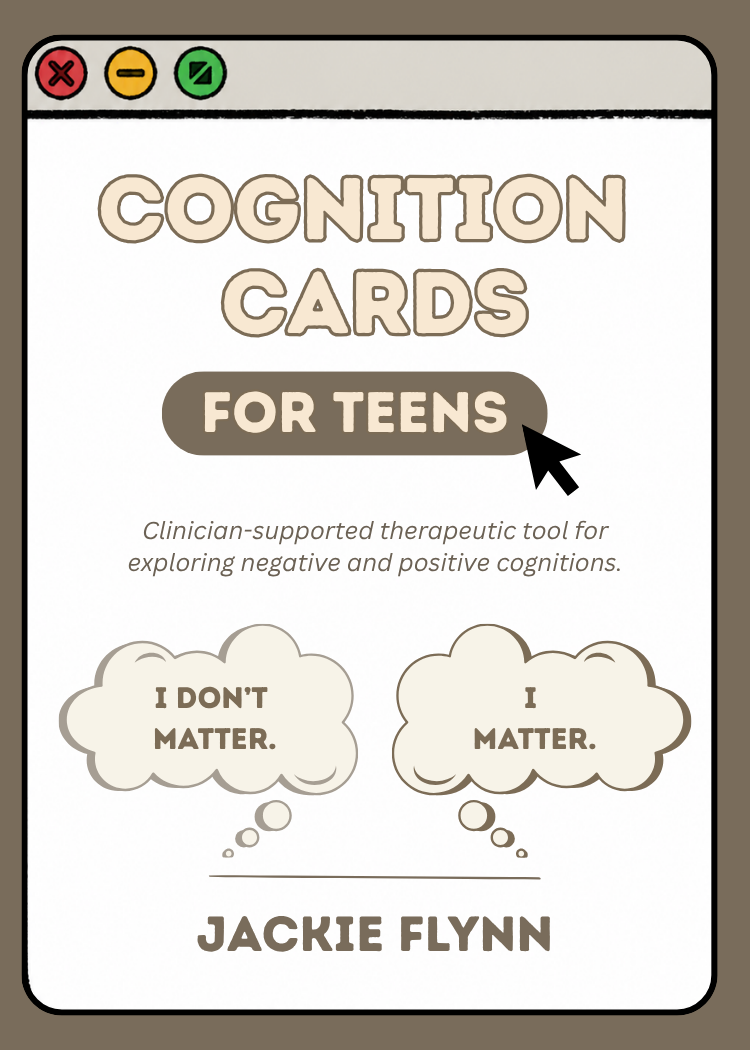 Image 1 of 14
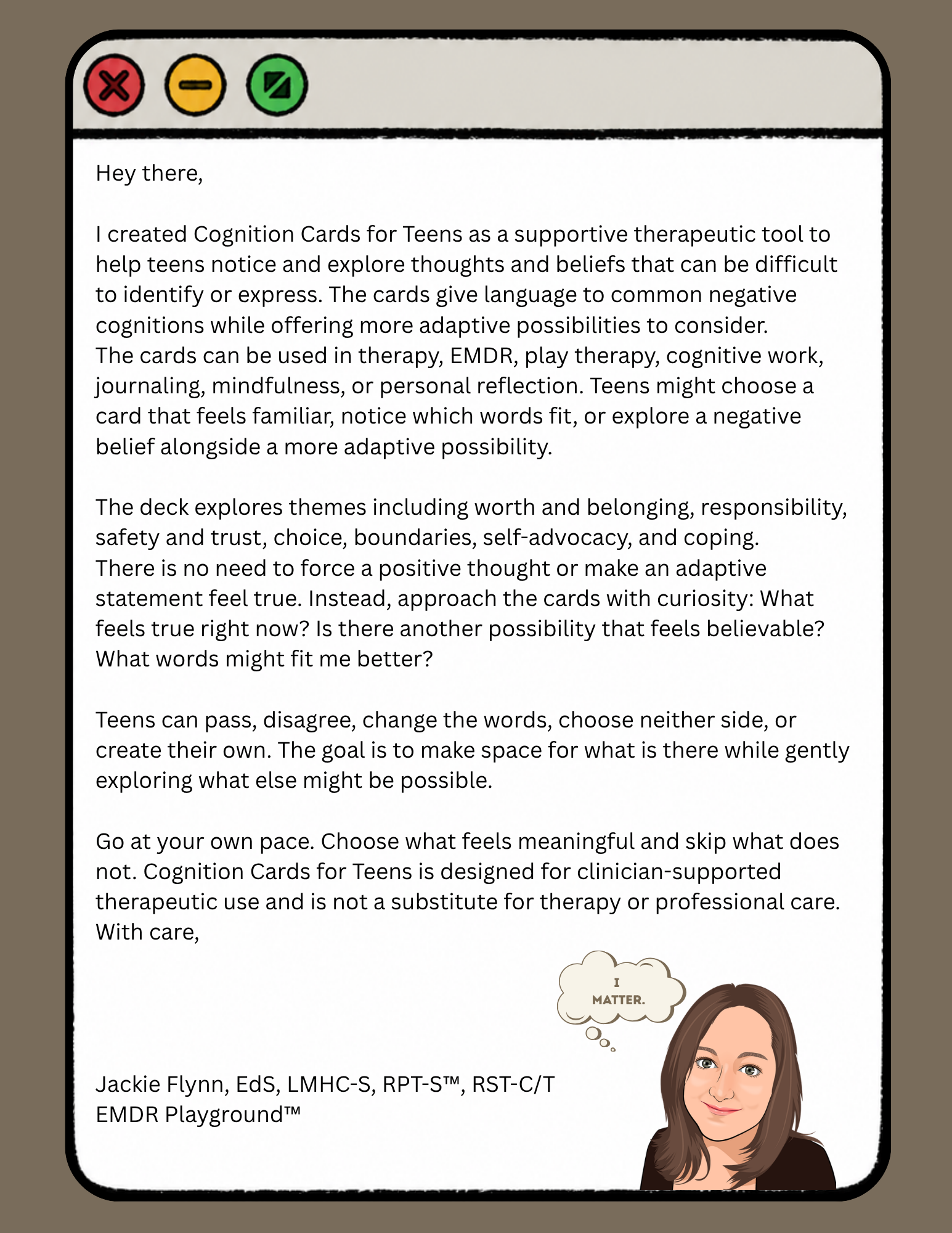 Image 2 of 14
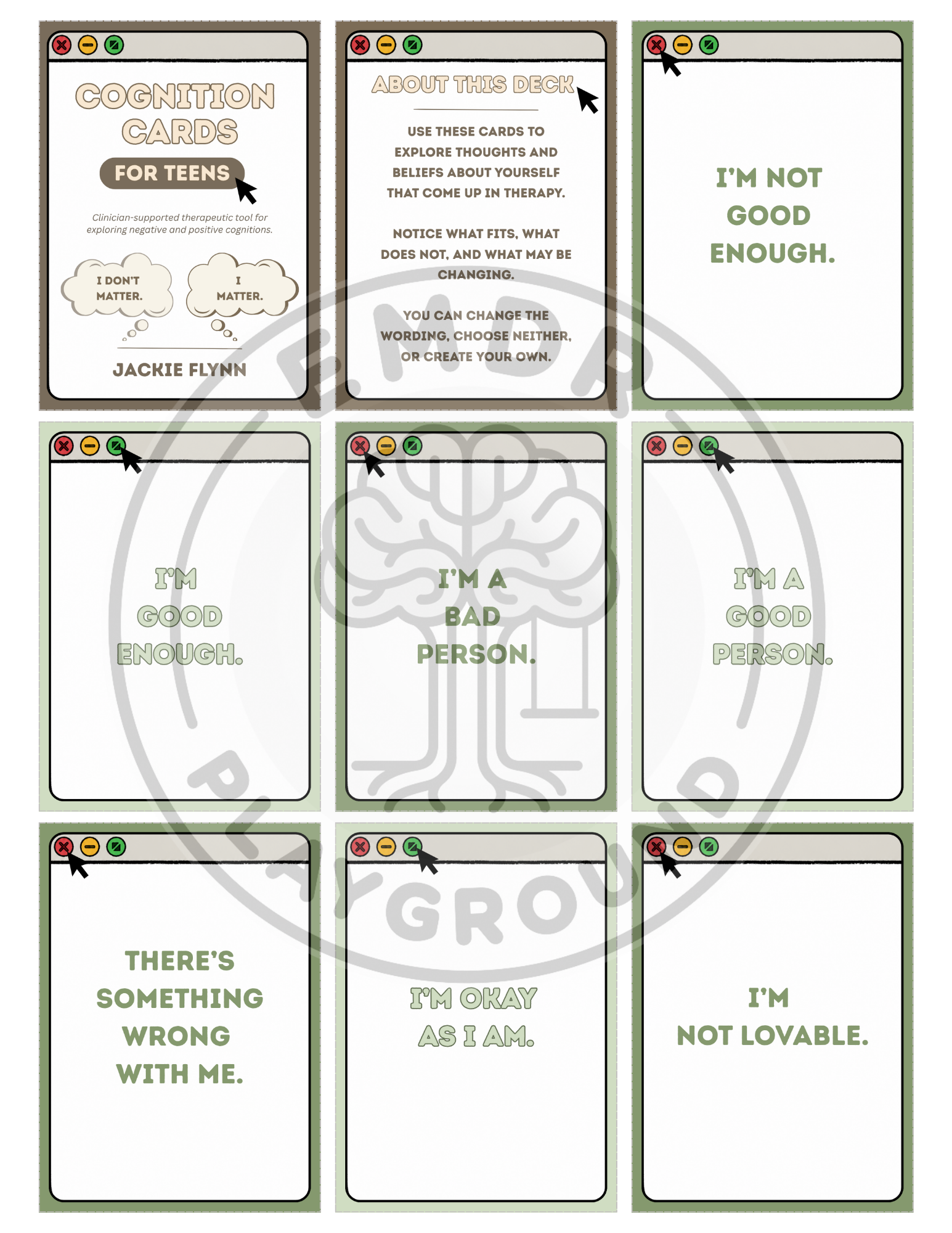 Image 3 of 14
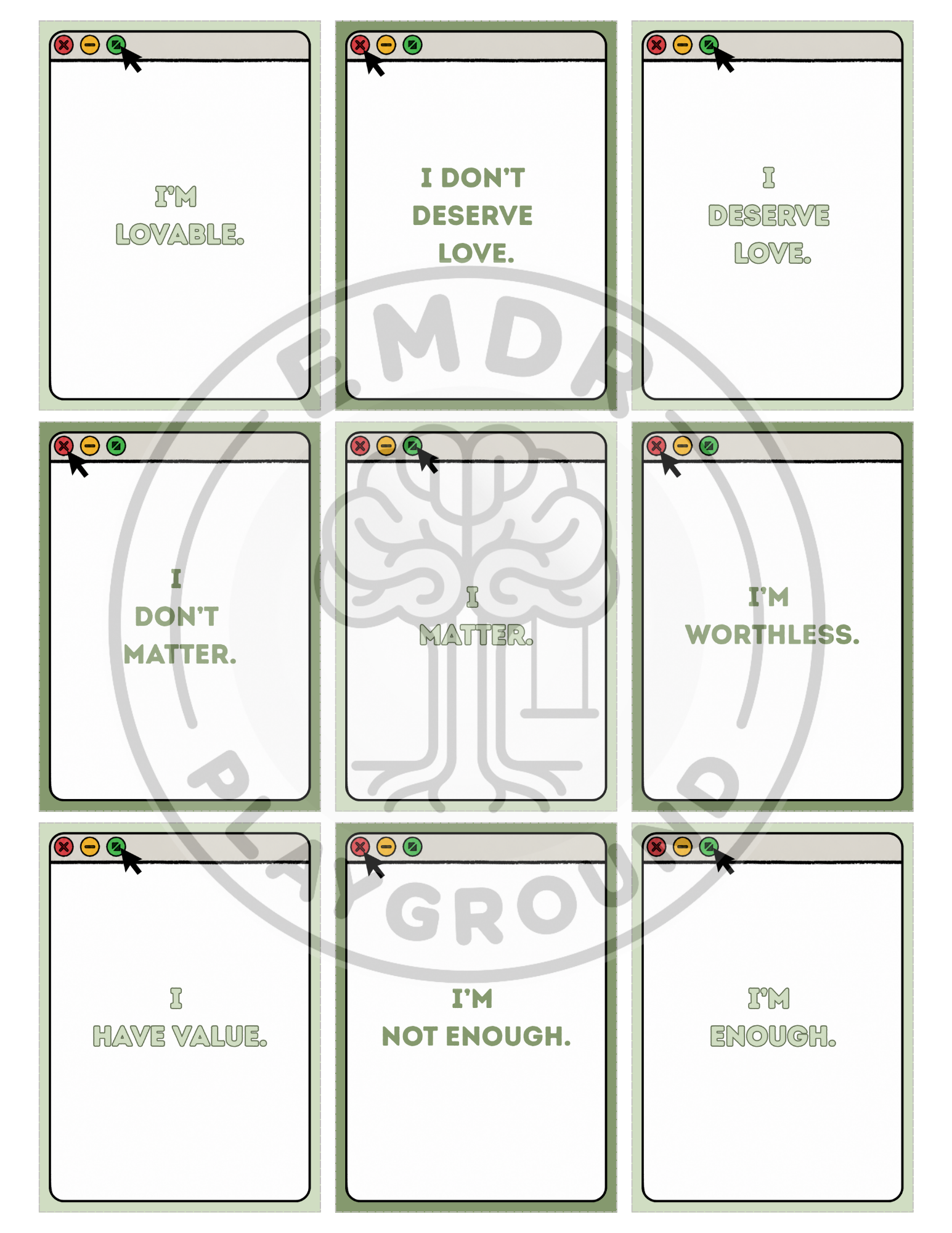 Image 4 of 14
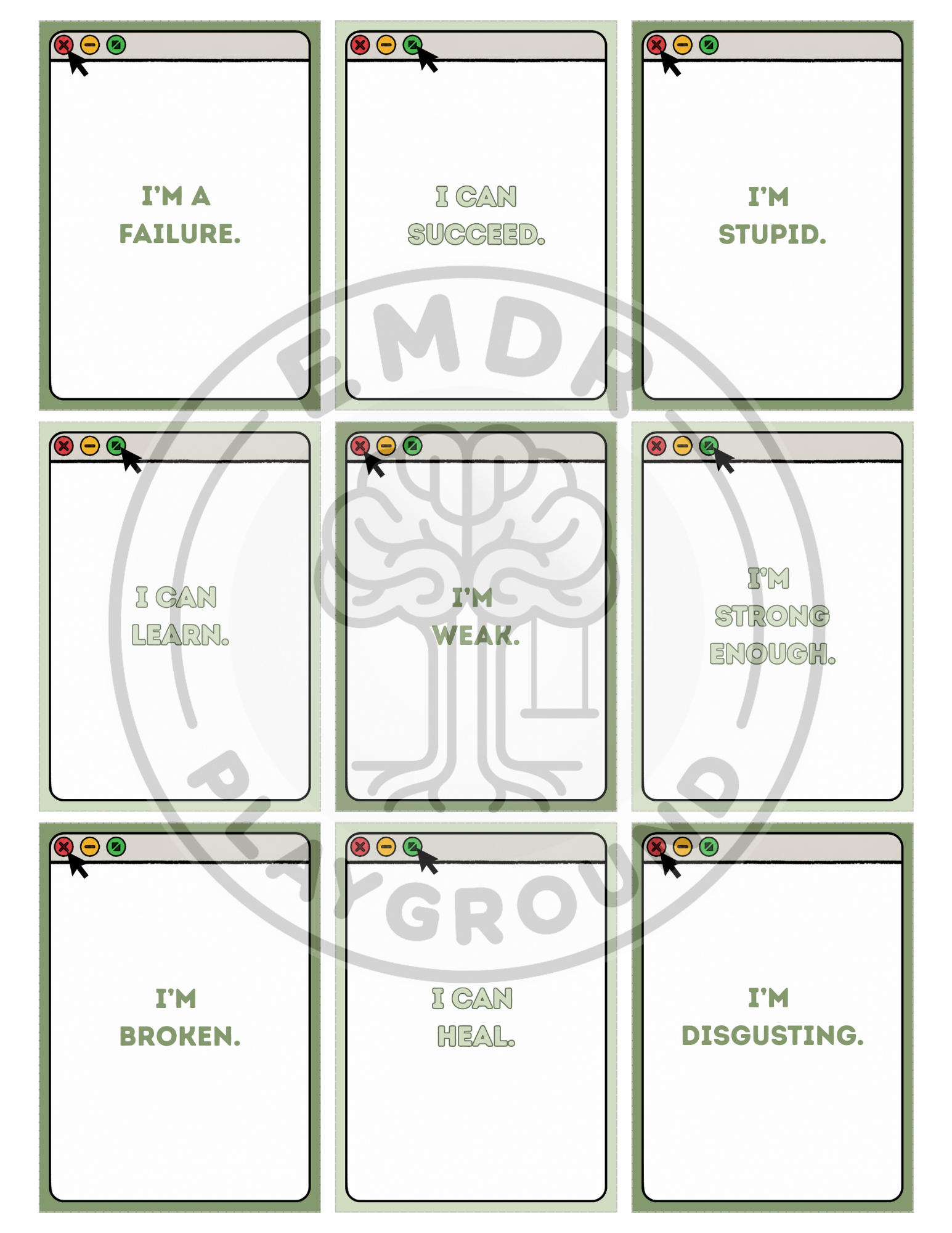 Image 5 of 14
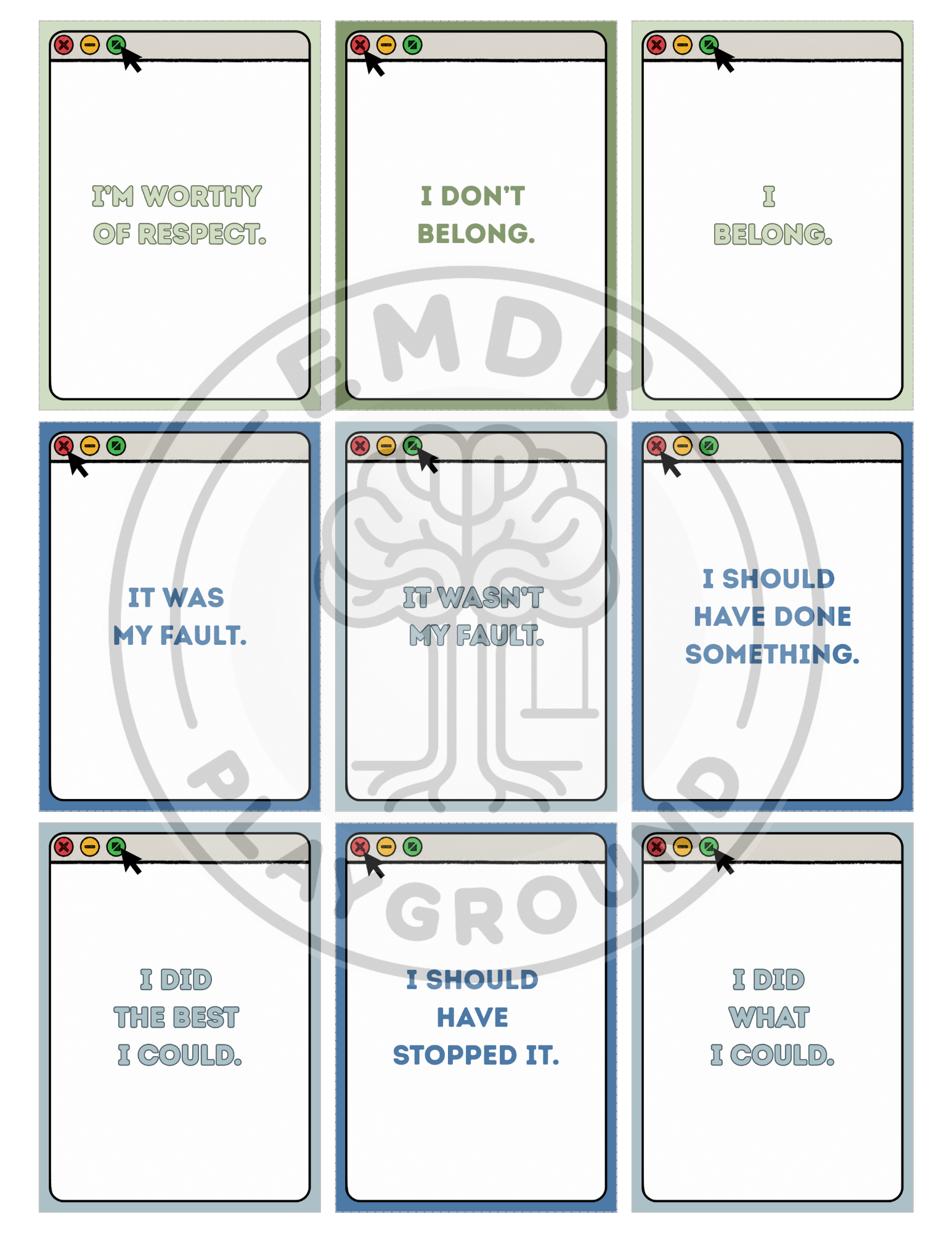 Image 6 of 14
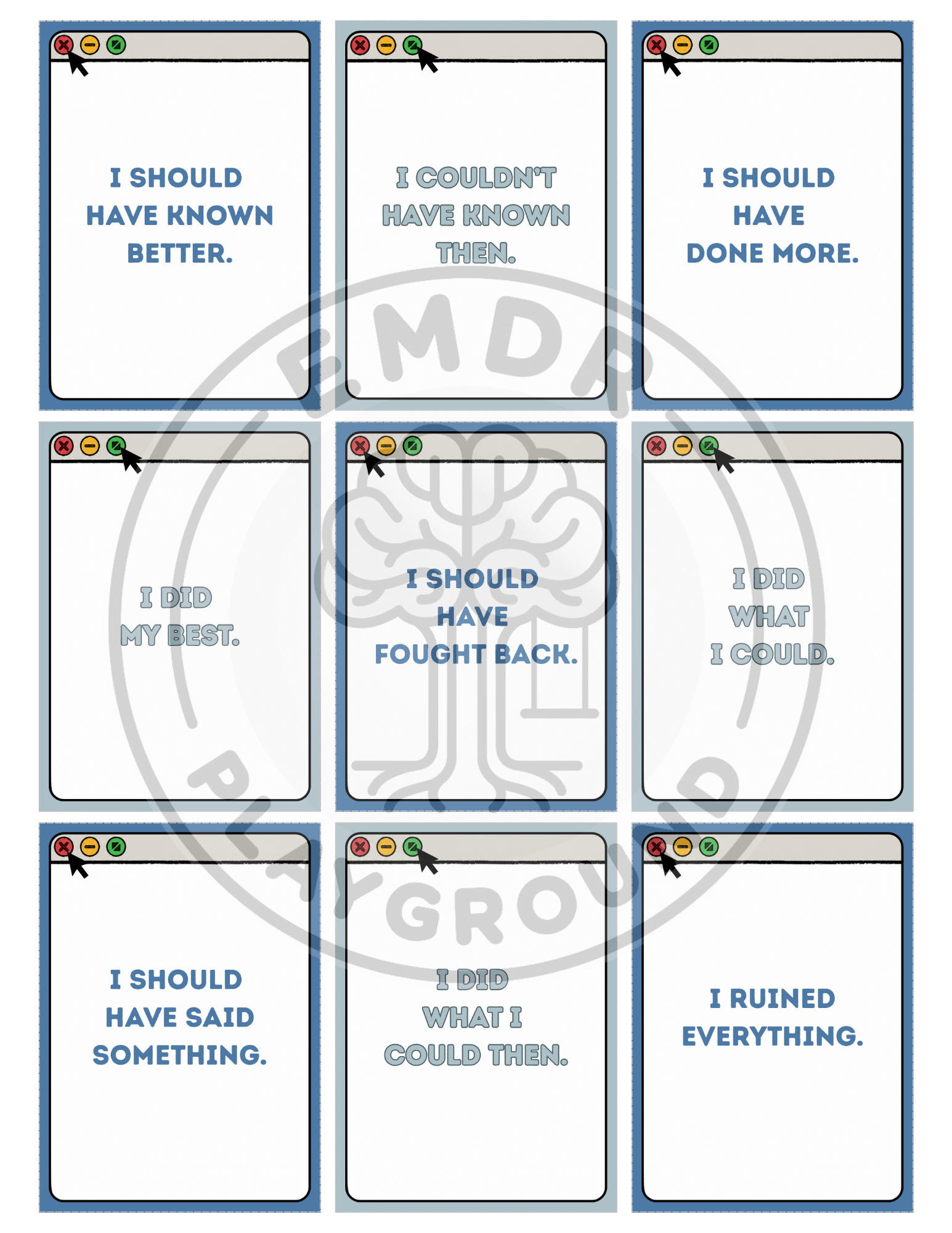 Image 7 of 14
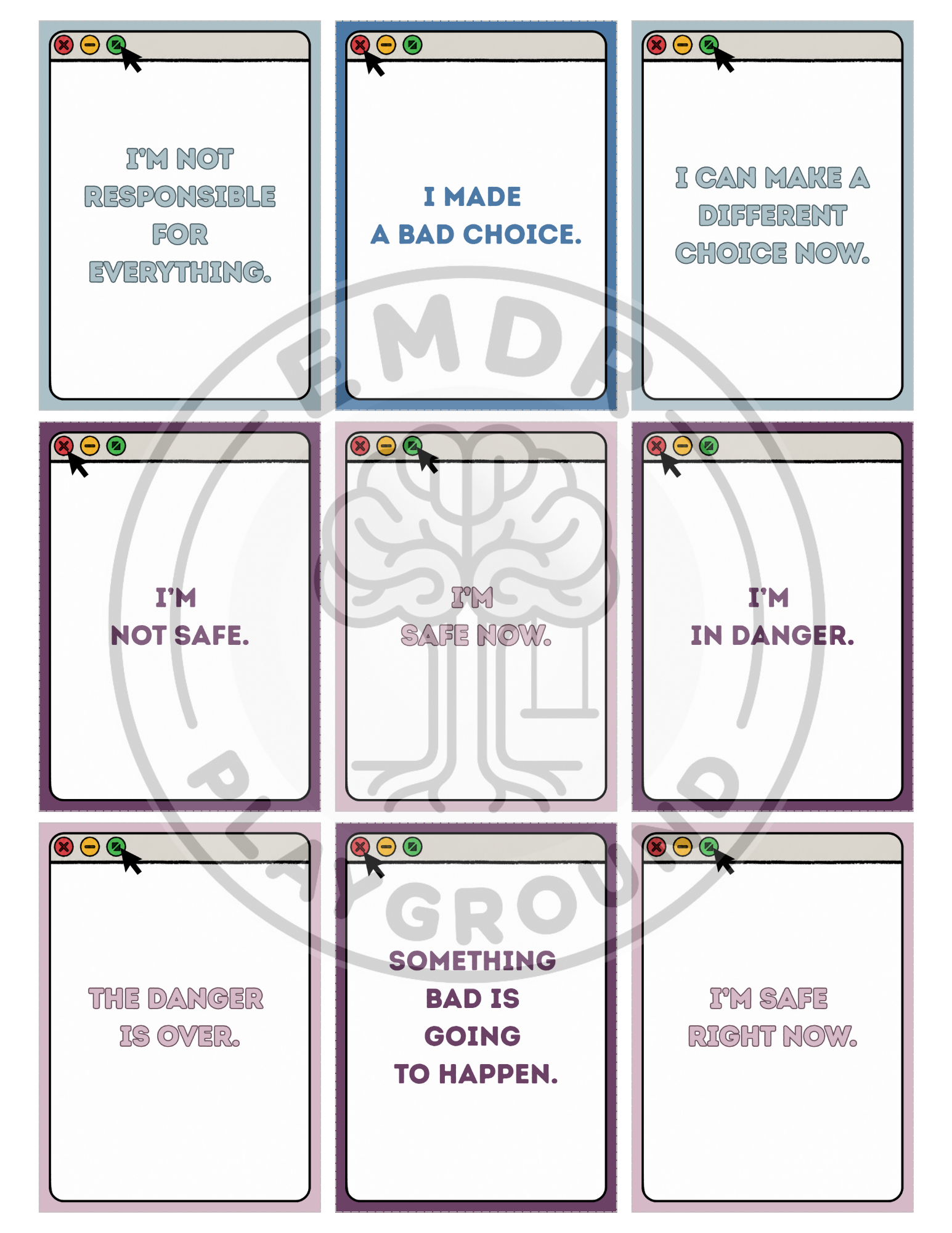 Image 8 of 14
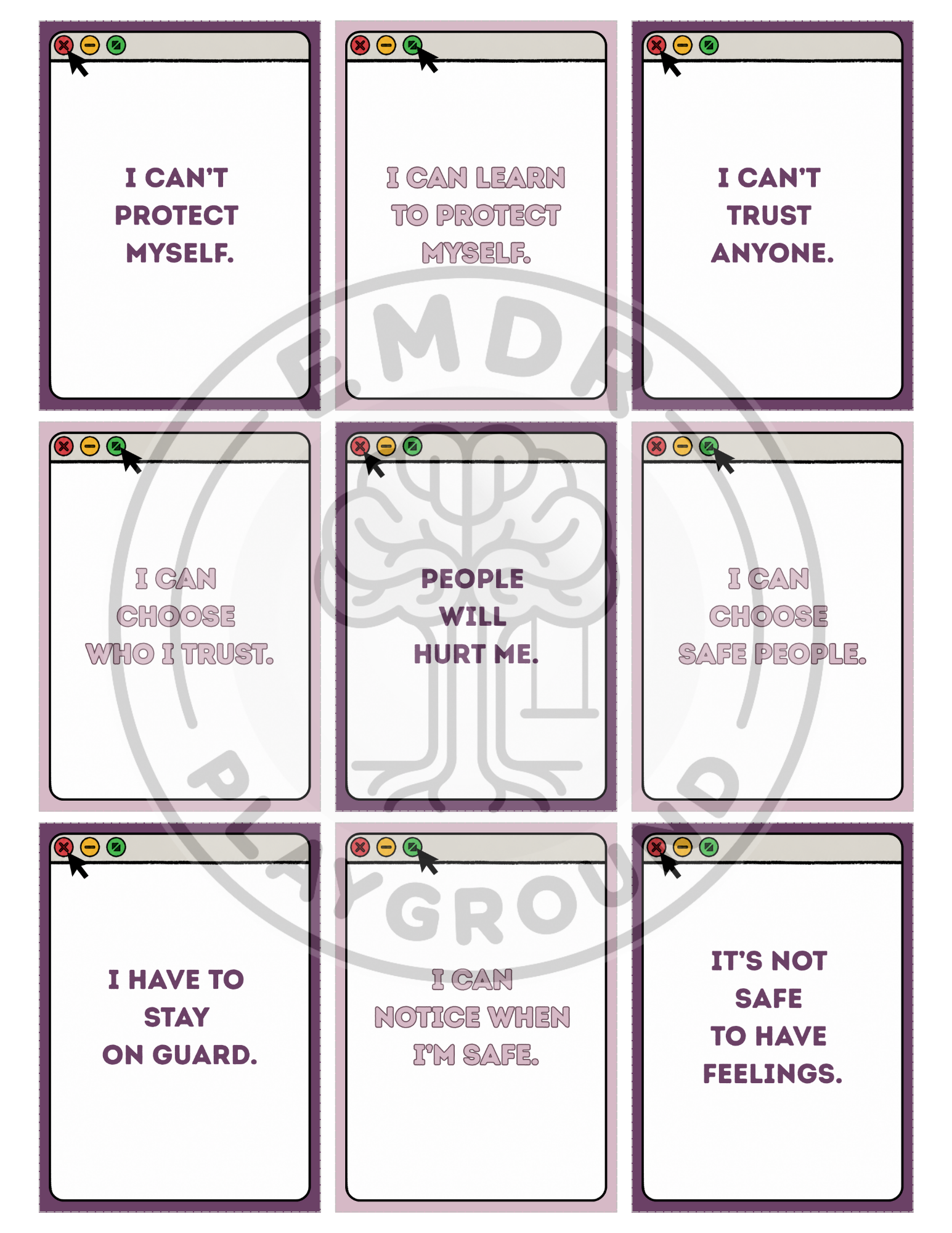 Image 9 of 14
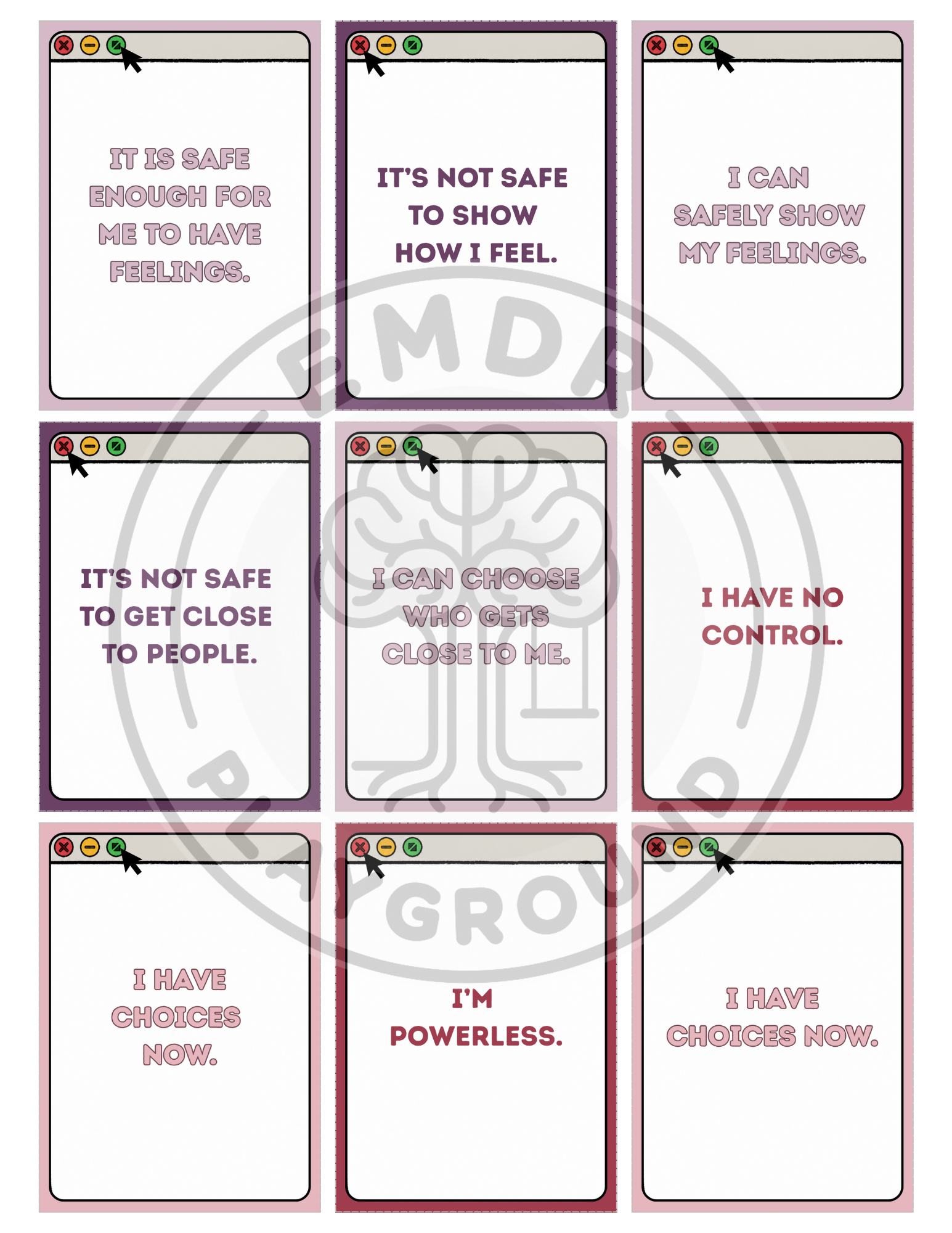 Image 10 of 14
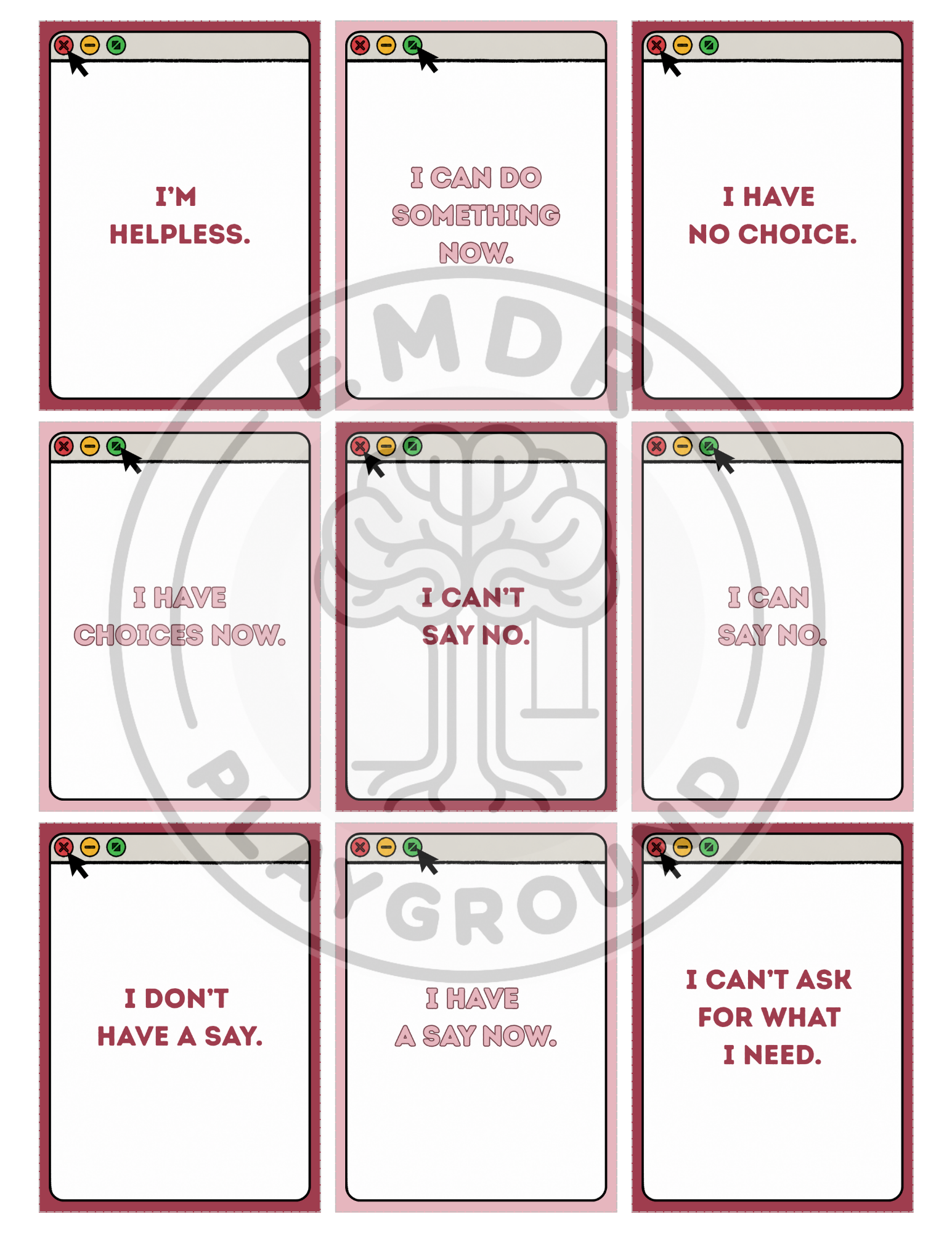 Image 11 of 14
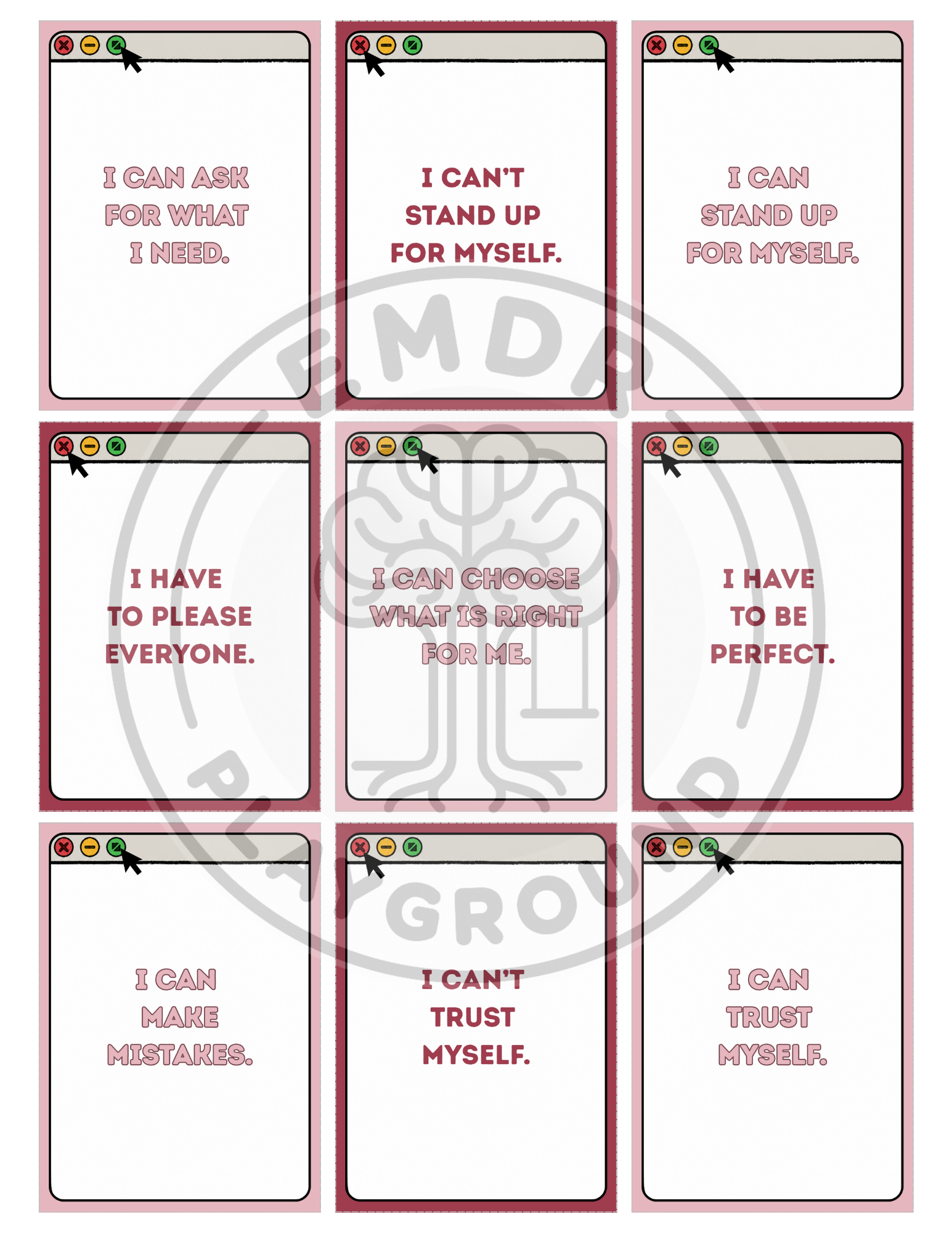 Image 12 of 14
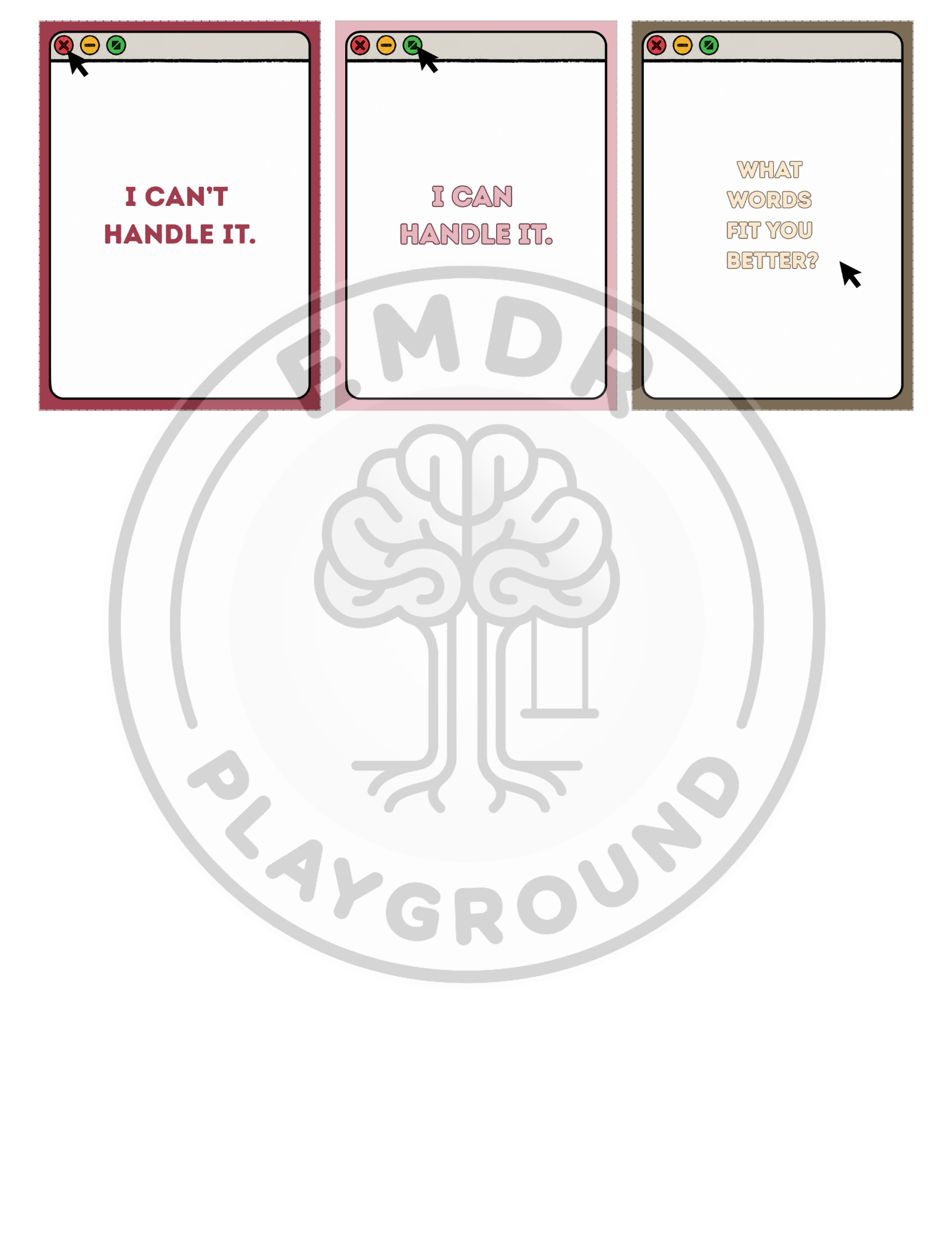 Image 13 of 14
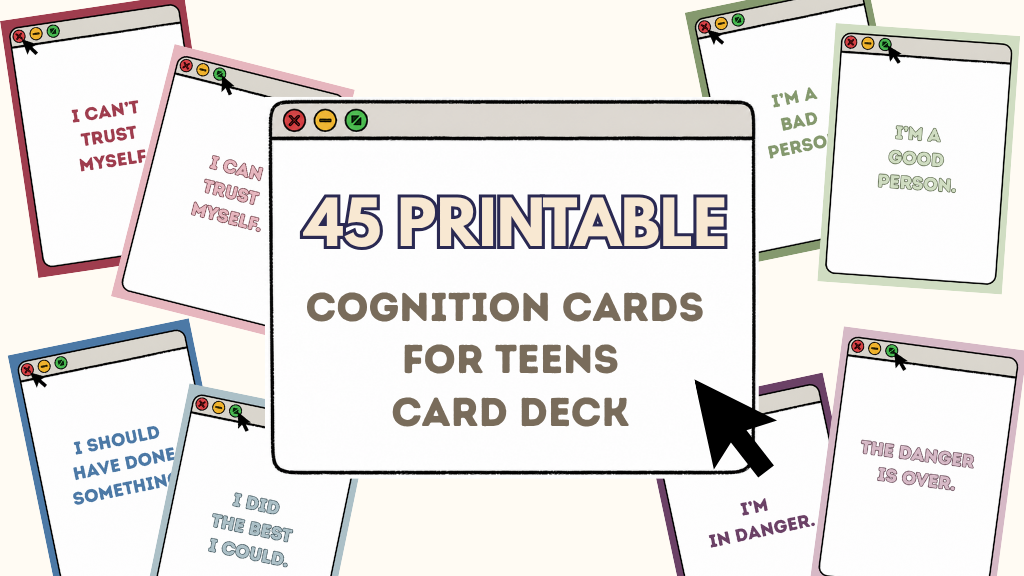 Image 14 of 14