 Image 1 of 1
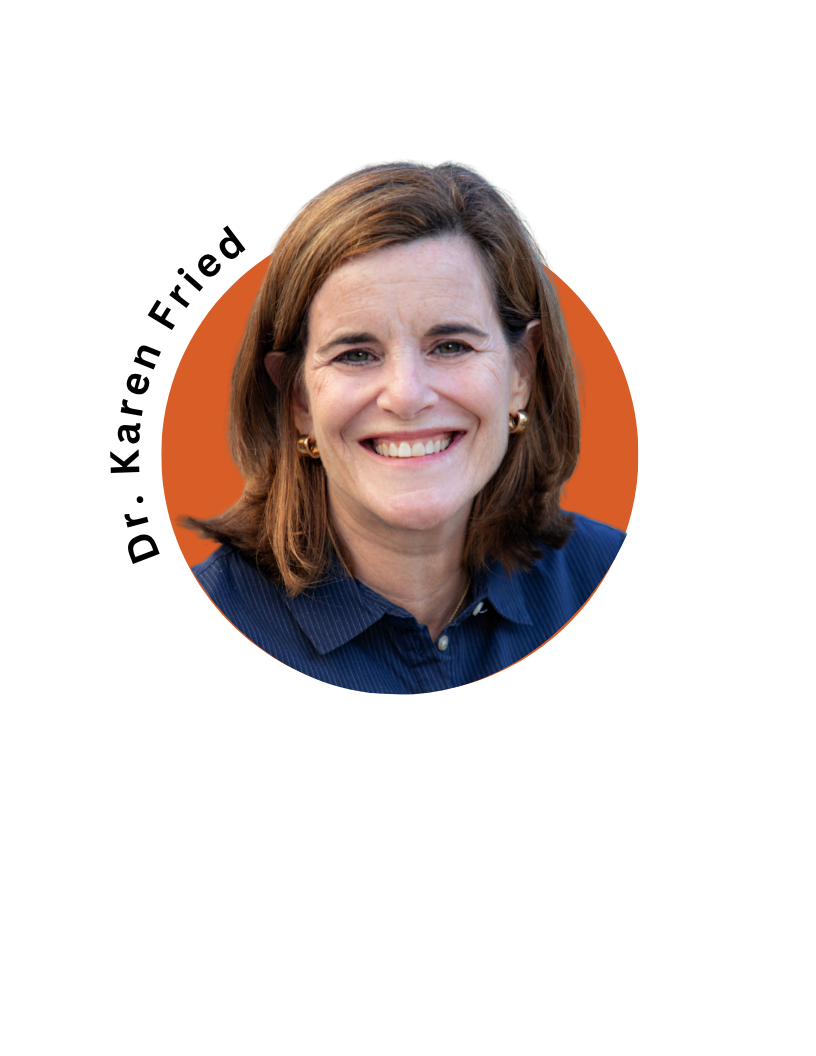
We're so excited to have Dr. Karen Fried as our keynote speaker for this year's symposium.
Karen is a child and adolescent therapist, trainer, consultant, and one of the leading voices in the Oaklander Model of child therapy. She teaches therapists around the world and has created many resources designed to help children express themselves, strengthen their sense of self, and move toward healing through creative and relationship-based approaches.
Her keynote, Honoring Resistance: An Oaklander Approach to Safety, Contact, and Sense of Self, will be available all week long. In it, Karen explores a different way of understanding resistance, not as something to push through, but as something that may be communicating a need for safety, protection, or connection.
I hope you'll take time to watch Karen's presentation and revisit it throughout the week. Her message beautifully complements so many of the conversations we'll be having together as we explore attachment, grief, expression, regulation, and the therapeutic relationship.
We're so excited to have Dr. Karen Fried as our keynote speaker for this year's symposium.
Karen is a child and adolescent therapist, trainer, consultant, and one of the leading voices in the Oaklander Model of child therapy. She teaches therapists around the world and has created many resources designed to help children express themselves, strengthen their sense of self, and move toward healing through creative and relationship-based approaches.
Her keynote, Honoring Resistance: An Oaklander Approach to Safety, Contact, and Sense of Self, will be available all week long. In it, Karen explores a different way of understanding resistance, not as something to push through, but as something that may be communicating a need for safety, protection, or connection.
I hope you'll take time to watch Karen's presentation and revisit it throughout the week. Her message beautifully complements so many of the conversations we'll be having together as we explore attachment, grief, expression, regulation, and the therapeutic relationship.